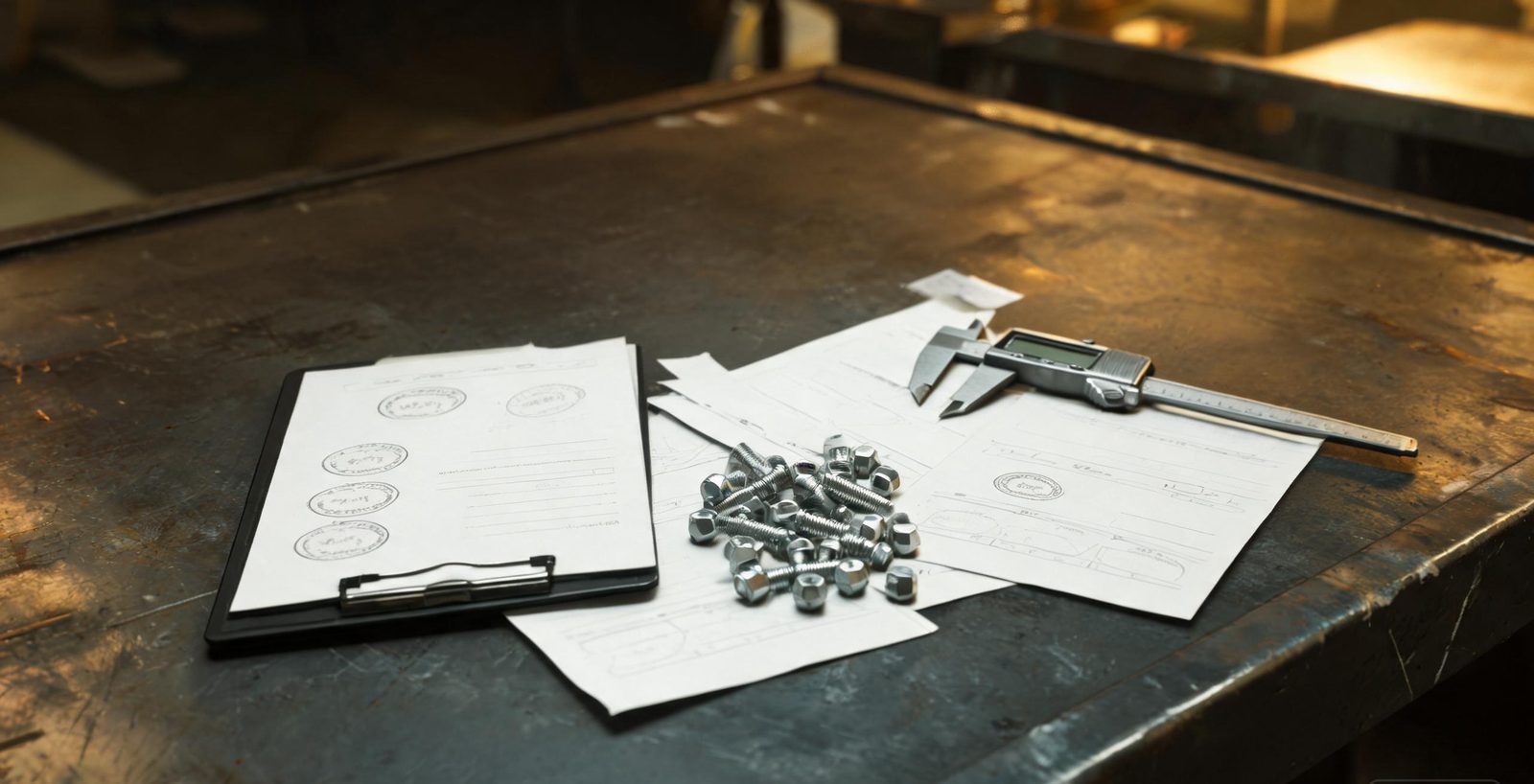
2.1, 2.2, 3.1 or 3.2? How to read fastener inspection documents, match heat numbers to lots, and spot the gaps that matter.
Company announcements, exhibition schedules, new product launches and industry insights from Matrix Fasteners.

2.1, 2.2, 3.1 or 3.2? How to read fastener inspection documents, match heat numbers to lots, and spot the gaps that matter.

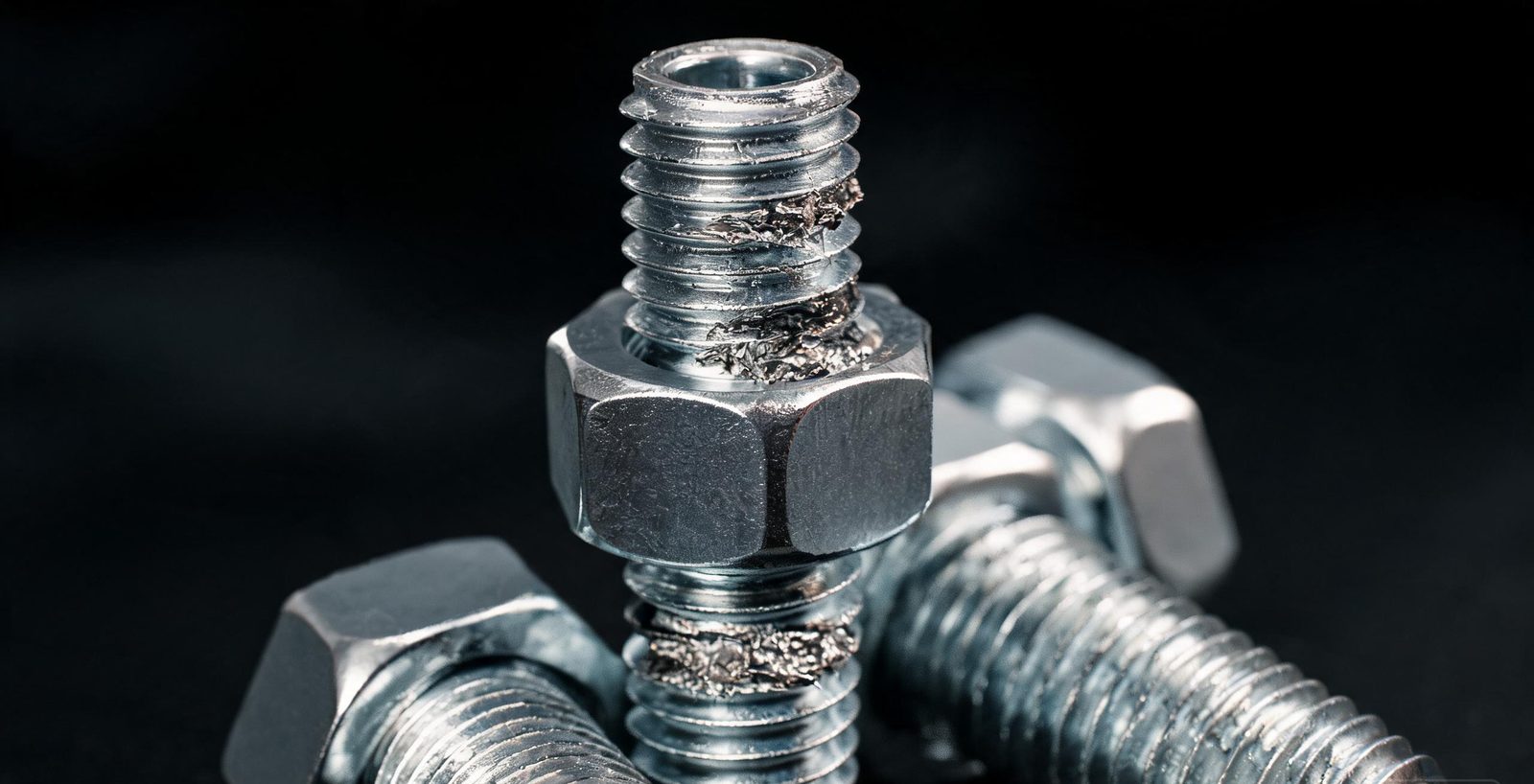
Stainless bolts that seize, tear and cannot be removed are usually galling. Learn why A2 and A4 fasteners gall, and the practical ways to prevent it.

Why correctly torqued bolts still fail: preload targets, joint stiffness, fatigue loading and the mechanisms behind vibration loosening.

A practical ten-point audit for fastener buyers: raw material traceability, heat treatment, plating, gauges, calibration, sampling and documentation.

How fasteners are packed for export: carton sizes, pallet layout, container capacity, moisture protection and markings that avoid damage and customs delays.

Heavy hex structural bolts are not ordinary hex bolts. Compare A325, A490 and JIS F10T strength, installation methods, galvanizing rules and slip-critical requirements.

DIN 933 and ISO 4014 are not automatically interchangeable, and Grade 5 is not class 8.8. A practical cross-reference guide for international fastener sourcing.

M10x1.5 or M10x1.25? How thread pitch affects preload, vibration resistance and assembly speed, plus how to verify pitch on delivered parts.

Wedge, sleeve, drop-in or adhesive anchor? Compare load behaviour, cracked concrete requirements, edge distance and installation conditions before you specify.

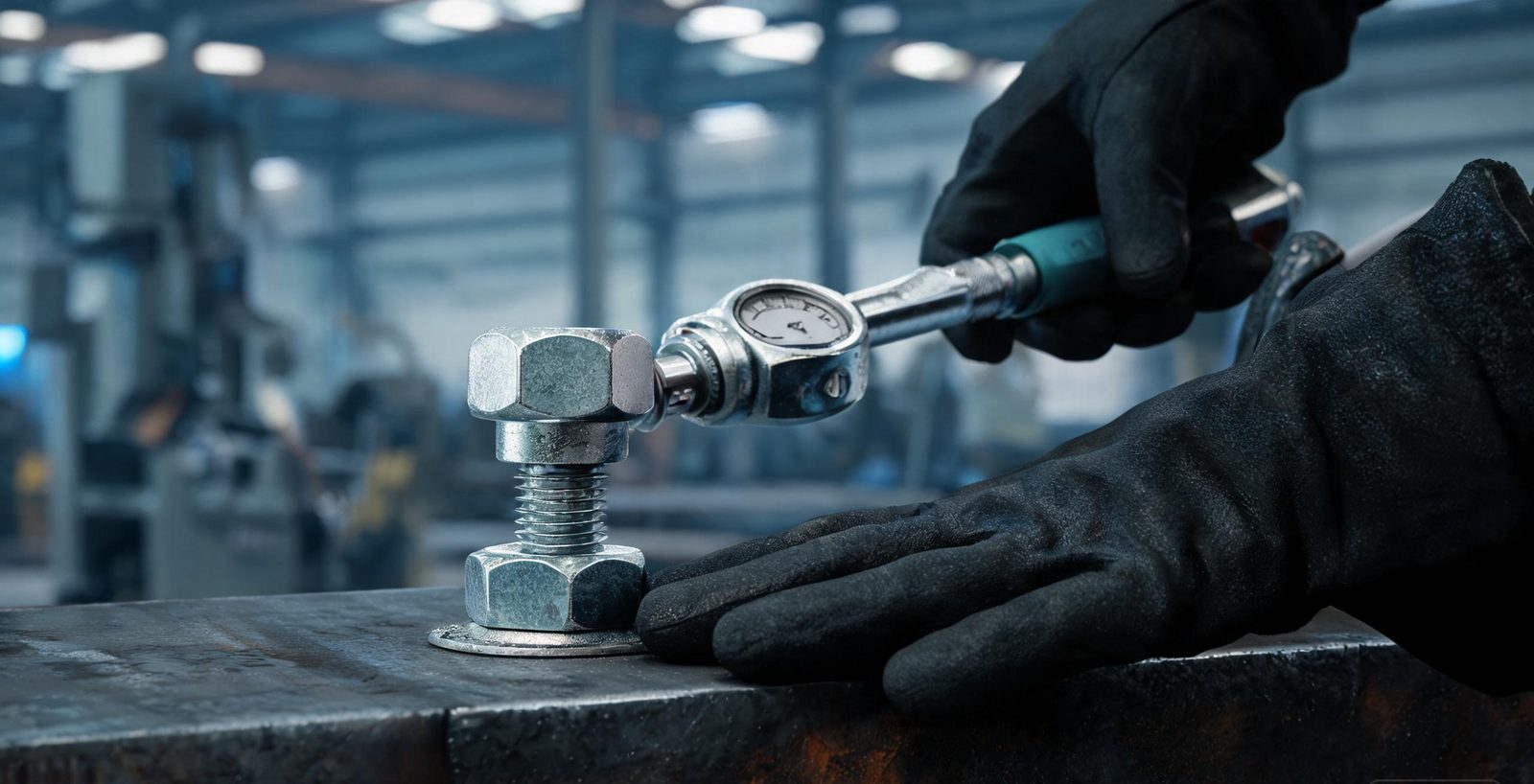
A practical torque guide for metric hex bolts: how preload works, typical tightening values for class 8.8 and 10.9, lubrication effects, and how to verify torque on site.

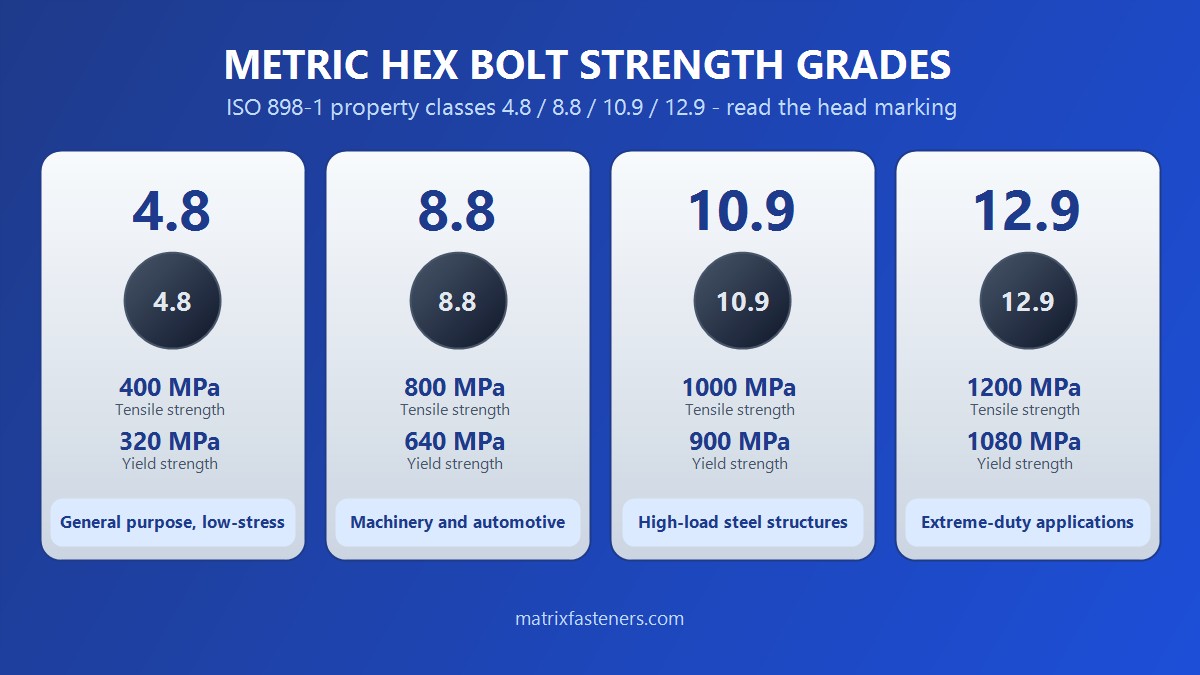
Choosing the wrong hex bolt grade can cause joint failure. Compare ISO 898-1 property classes 4.8, 8.8, 10.9 and 12.9, their strength and typical uses.

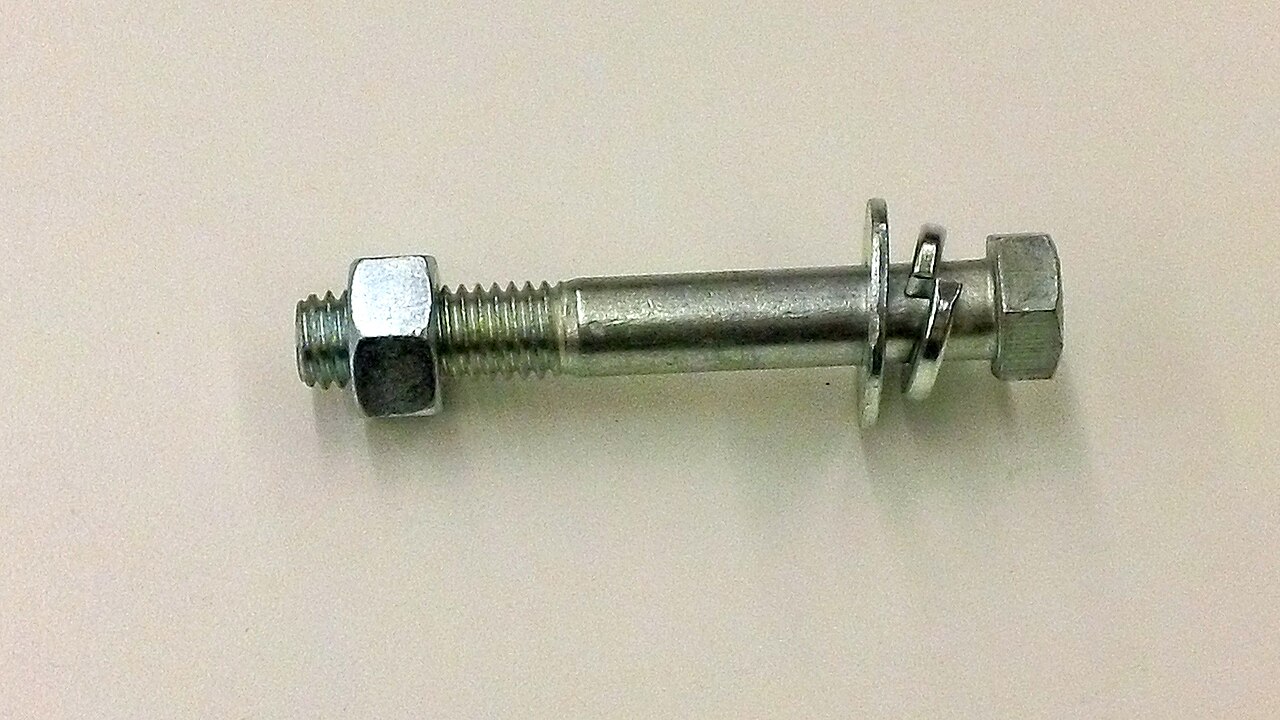
DIN 933 and DIN 931 differ by one feature: how far the thread runs. Learn when full-thread (ISO 4017) or partial-thread (ISO 4014) bolts belong in your design.

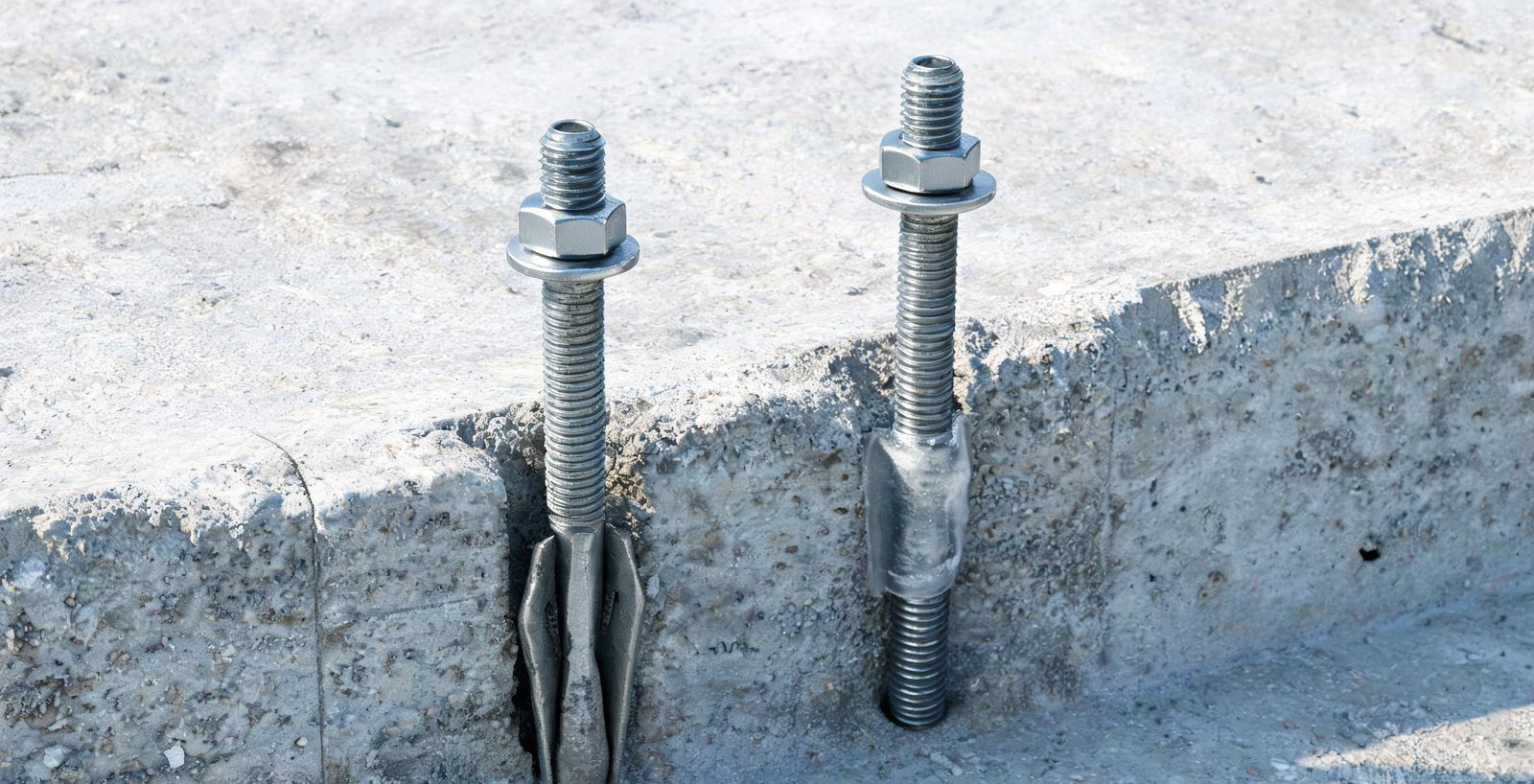
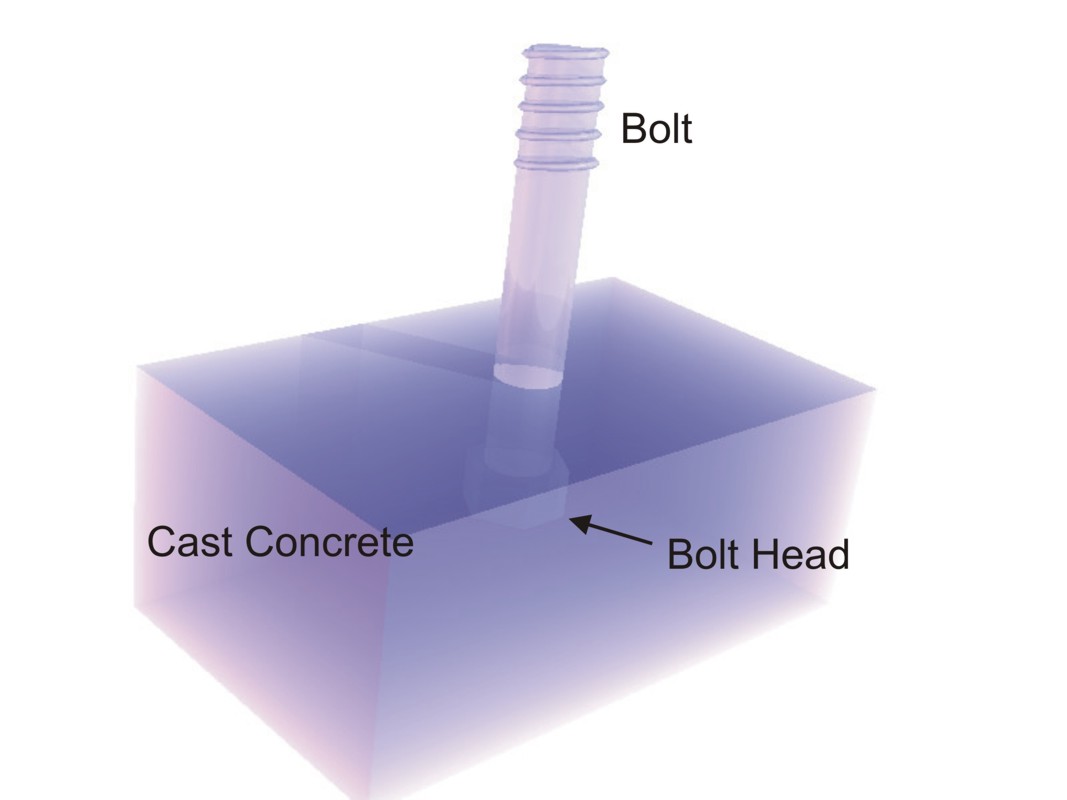
Through bolts and wedge anchors carry heavy loads into concrete. Learn how to size them by load and environment, and the installation steps that guarantee holding power.

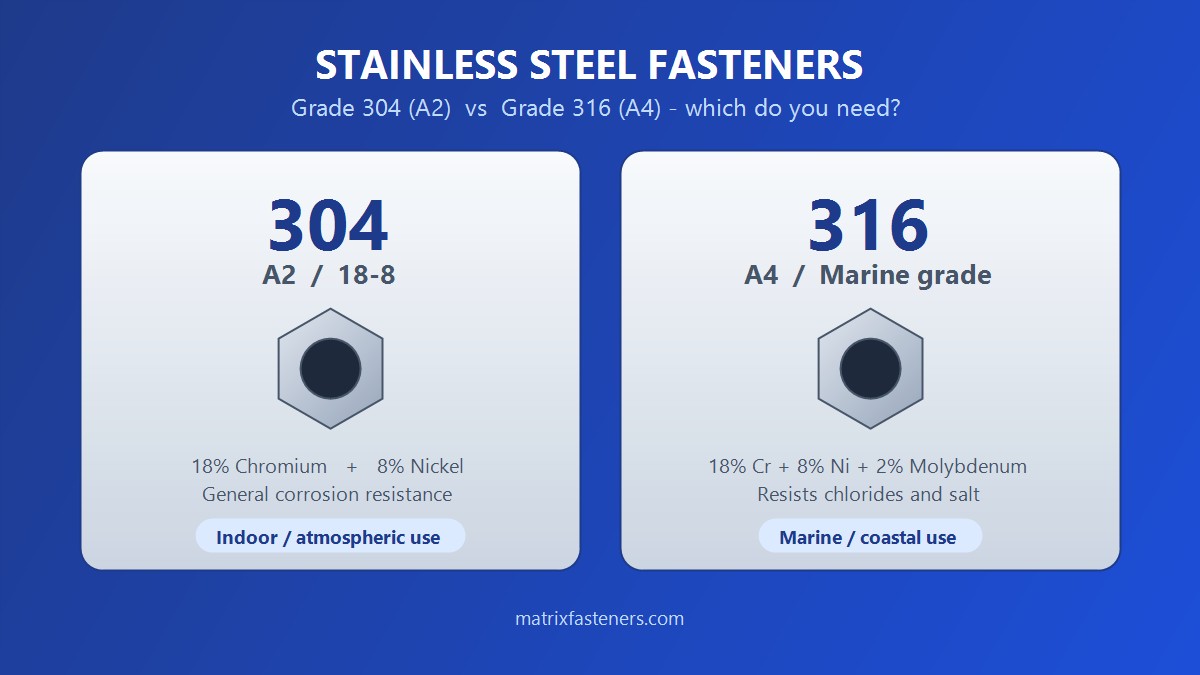
304 (A2) and 316 (A4) bolts look identical but perform differently. Compare corrosion resistance, molybdenum content, A2-70 vs A4-80 classes and best uses.

Electro-zinc plating and hot-dip galvanizing both protect steel bolts but differ in thickness, life and cost. Compare finishes for indoor and outdoor fastener use.
Matrix Fasteners Manufacturing Co., Ltd. is excited to announce our participation in the 2026 Canton Fair (Phase 2), held at the Pazhou Complex in Guan...

Vibration makes nuts rotate off in tiny increments. Compare spring washers, wedge-locking washers, Nyloc nuts, prevailing-torque nuts, threadlocker and positive locking.

Solar arrays need corrosion-proof fasteners for 25 years outdoors. Compare A2 vs A4 stainless, hanger bolts, clamp hardware, roofing screws and ground-mount bolts.

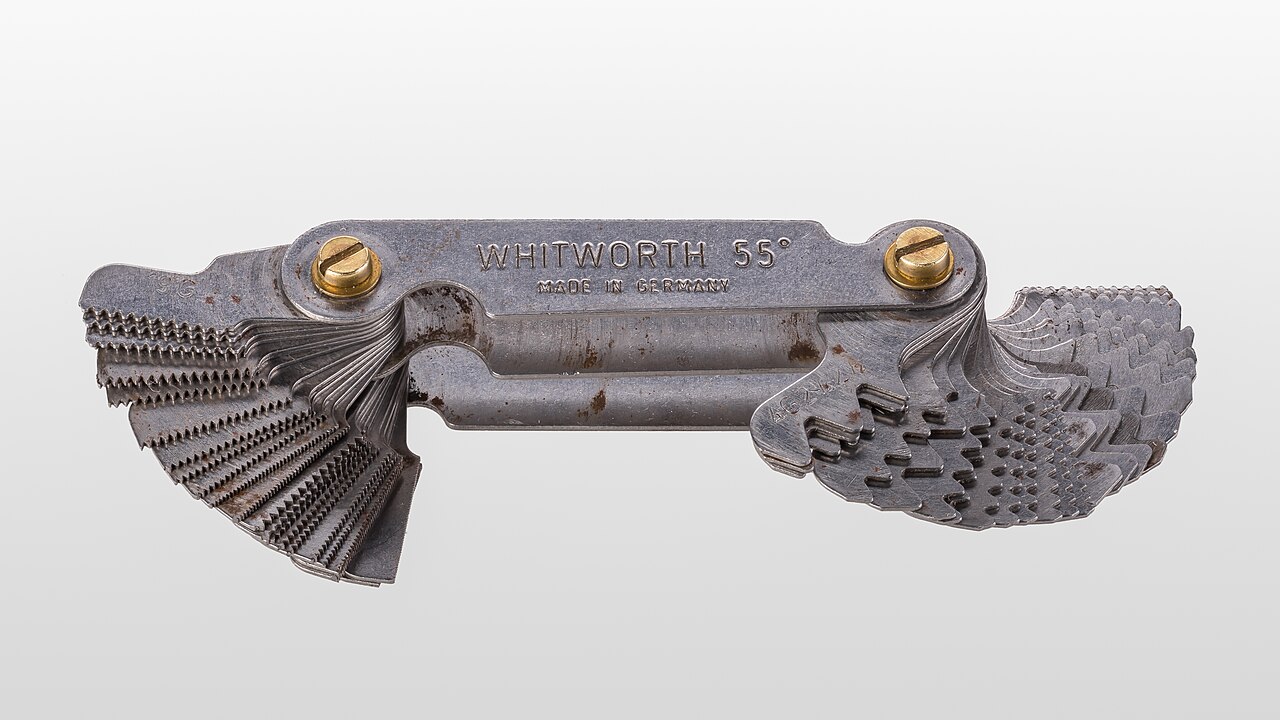
A bolt that almost fits means cross-threaded holes and downtime. Learn to measure diameter and pitch, distinguish metric, UNC/UNF and Whitworth, and avoid mix-ups.

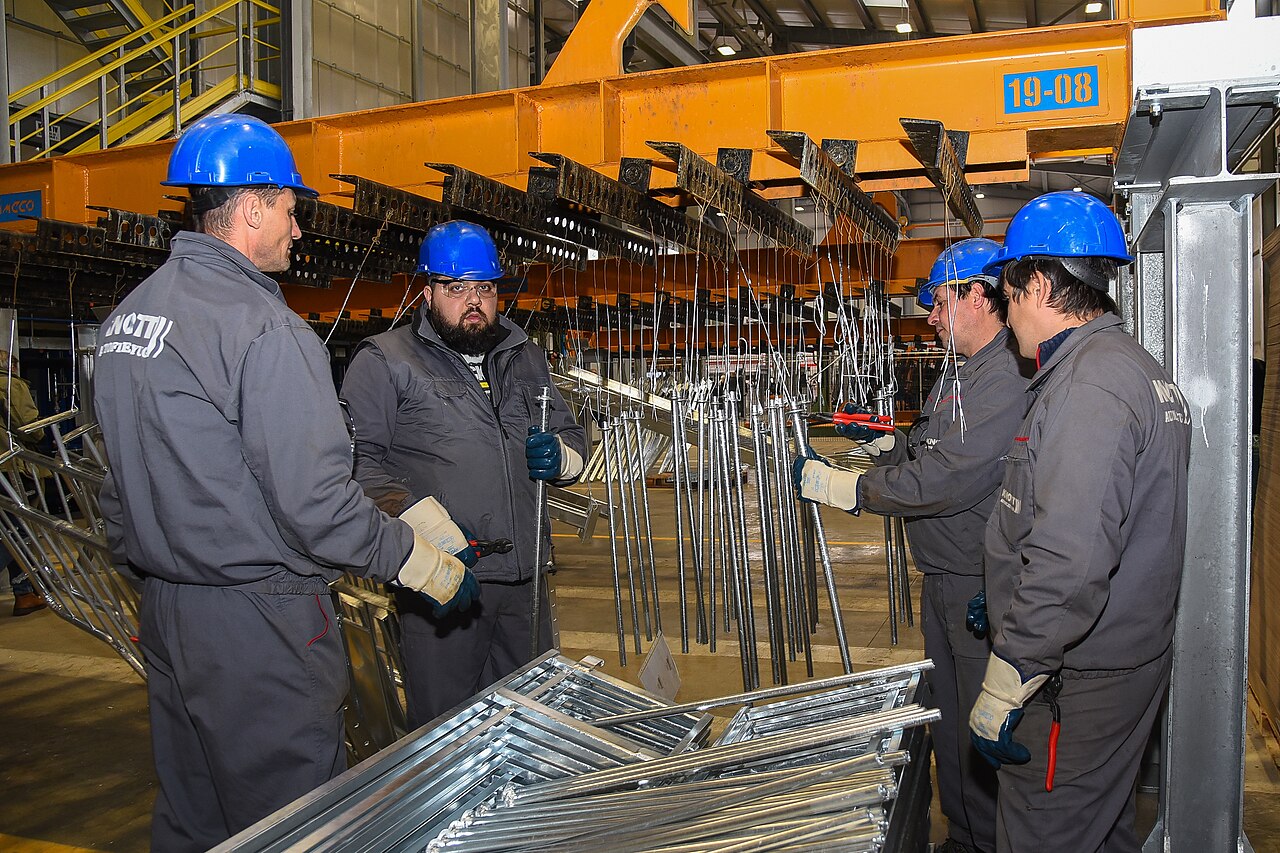
How bolt makers control quality: CHQ wire, cold heading, thread rolling, heat treatment, gauging, salt-spray tests, traceability and the documents buyers should request.

Bolt prices follow wire rod, zinc, nickel, freight and trade policy. A practical 2026 outlook for importers: blanket orders, staggered shipments and price-validity terms.