Two bolts can carry the same designation and still be unusable in each other's place. M10 is not a complete specification - the pitch matters as much as the diameter. Coarse and fine threads look similar at a glance but behave differently in service, and mixing them on an assembly line is one of the most common causes of rejected shipments.
Coarse pitch is the default for metric fasteners below M14. M10 coarse is 1.5 mm, M12 is 1.75 mm, M16 is 2.0 mm. A coarser thread gives more clearance per revolution, so it assembles faster, tolerates dirt and slightly damaged threads, and is less likely to cross-thread during manual installation. It is also the most available and the cheapest, which matters when a project needs thousands of parts on a short lead time.
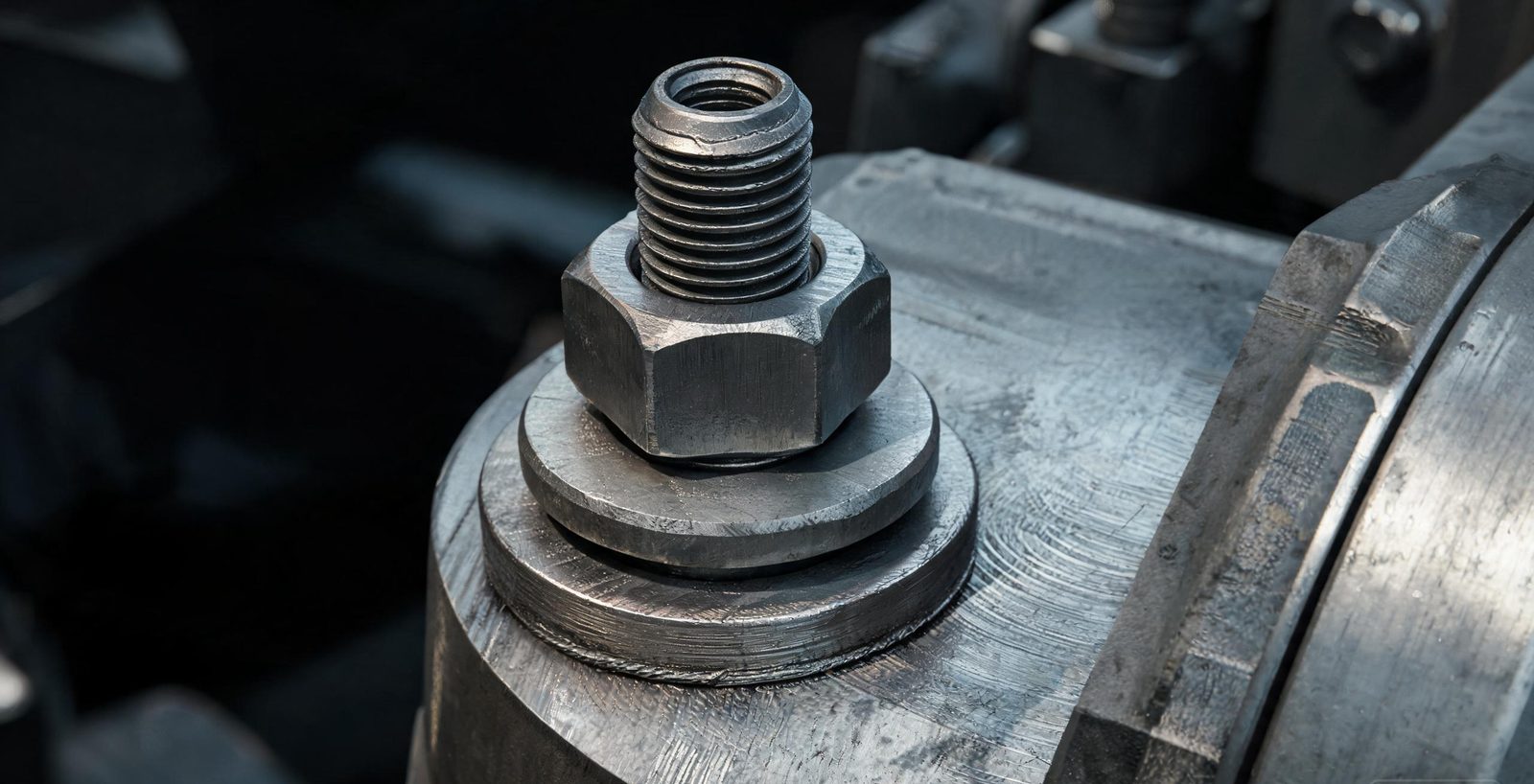
Fine pitch uses a smaller advance per revolution: M10 fine is 1.25 mm or 1.0 mm, M12 is 1.5 mm or 1.25 mm, M16 is 1.5 mm. Fine threads have a larger minor diameter for the same nominal size, so they are stronger in tension and produce a smoother, more controllable preload. That makes them the usual choice for vibrating machinery, automotive suspension and driveline components, hydraulic fittings, and any joint where a small adjustment in tension matters.
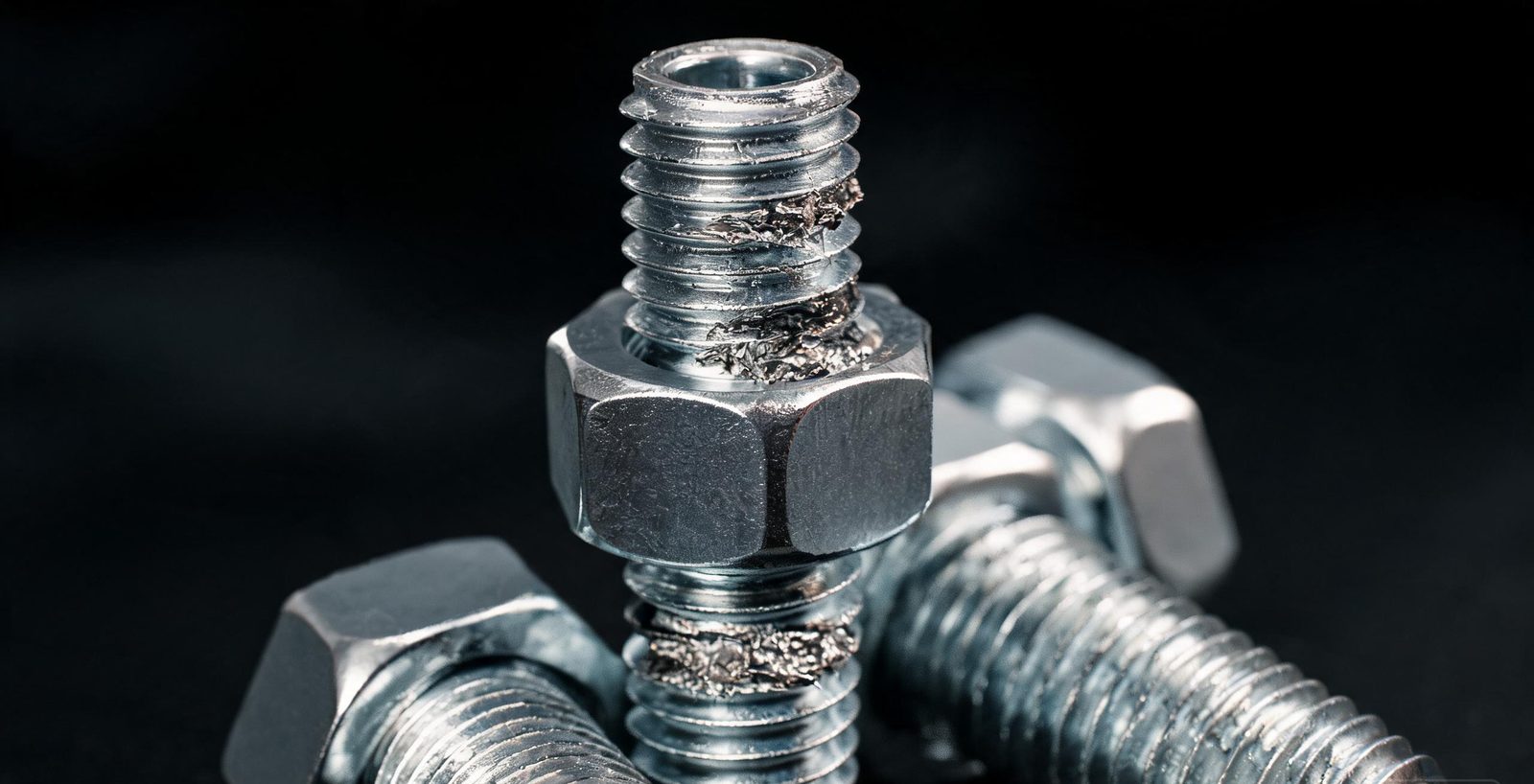
The trade-off is practical. Fine threads are more sensitive to galling during high-speed assembly, more easily damaged by handling, harder to clean, and slower to install. They also cost more because the rolling or cutting process runs at lower throughput. On a construction site, a fine-thread bolt is often the wrong answer simply because the crew will not handle it carefully enough.
There is a common myth that fine threads resist vibration loosening better than coarse threads. In practice, preload does far more than pitch. A coarse-thread bolt correctly preloaded to 70 percent of proof load will outperform a fine-thread bolt that was hand-tightened. Pitch only becomes decisive when the design needs a large tensile area in a small diameter, or when adjustment sensitivity matters.
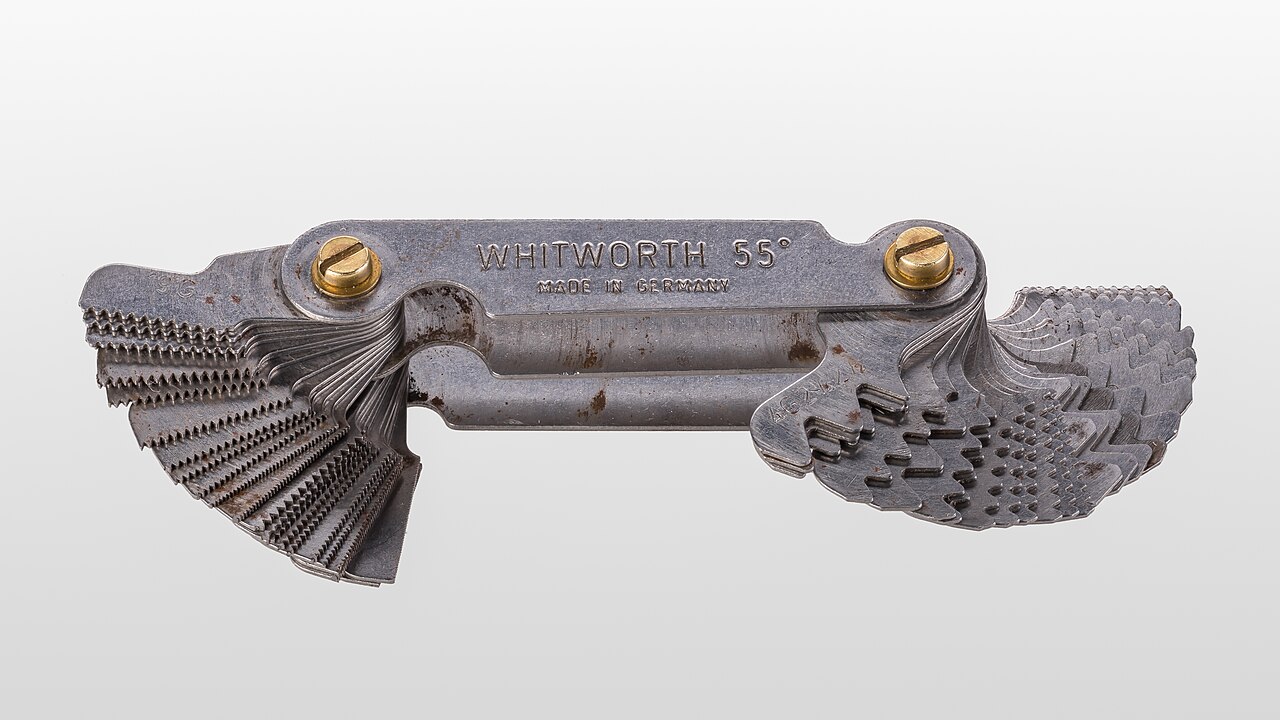
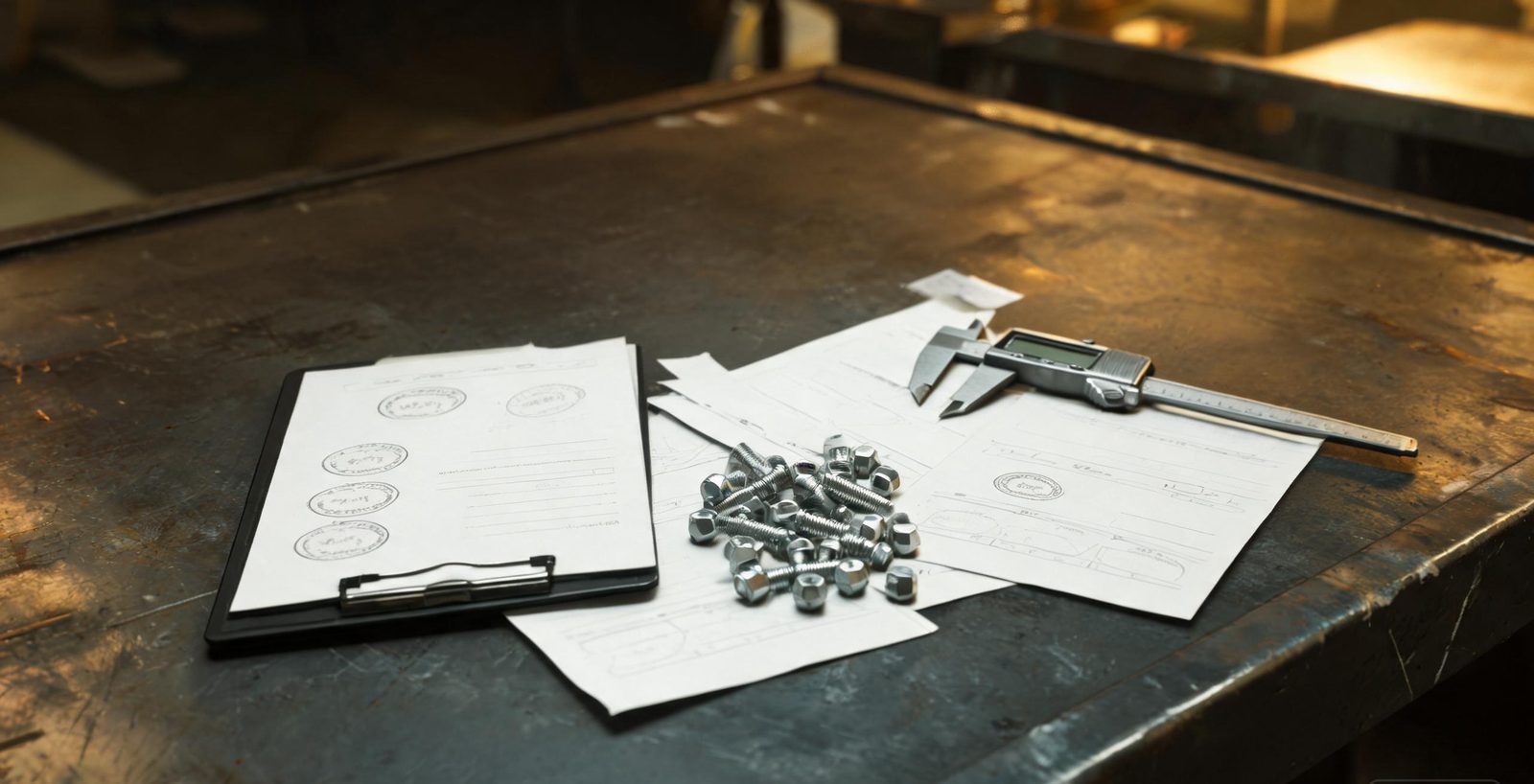
Verification is straightforward and should be part of incoming inspection. A thread pitch gauge will not fit the wrong pitch, and a caliper check of turns over a known length catches most mistakes. For critical parts, use go and no-go thread gauges to the specified tolerance class - 6g for external threads and 6H for internal threads under ISO 965. If a purchase order does not state pitch, the supplier is entitled to ship coarse, and that is exactly how mismatches reach the line.
Write the specification completely: diameter, pitch, standard, property class, tolerance class, coating and thread direction. M10-1.5-6g, ISO 4014, class 8.8, zinc plated means one thing only. M10 alone means very little.
Matrix Fasteners manufactures metric bolts and nuts in both coarse and fine pitches, from M5 to M48, with go and no-go gauge inspection recorded per lot. If your drawing lacks pitch or tolerance class, send it over and our team will confirm the exact specification before production.