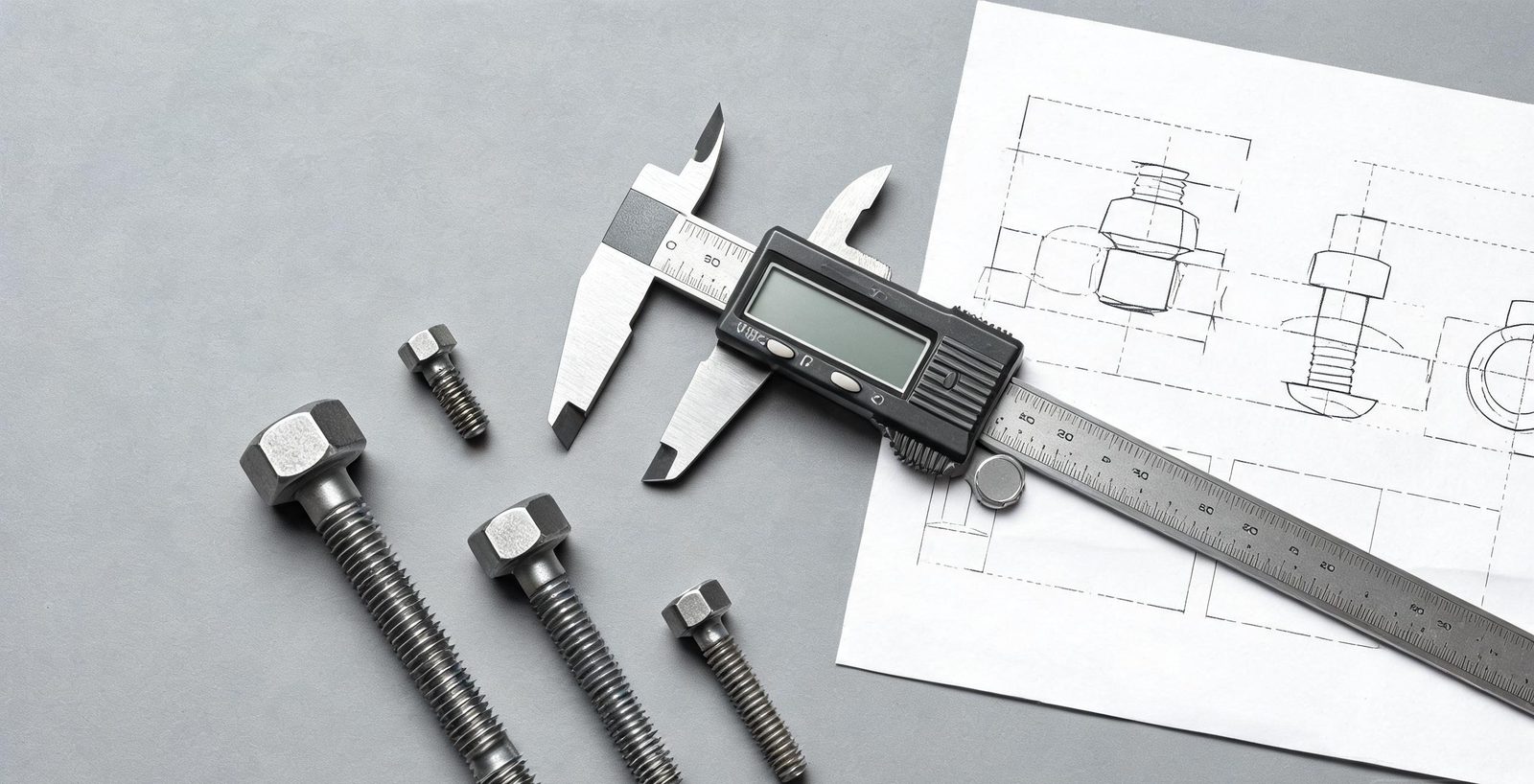
Fasteners are dense, heavy and easy to damage in transit. Packaging is not an afterthought in this trade - it decides whether the goods arrive at the right weight, in the right count, and with the coating intact. Here is how export packing for bolts, nuts and anchors is normally structured, and what to check on a quotation.
The basic unit is a sealed inner bag: usually 25 kg for bulk fasteners, or smaller boxes of 5 to 10 kg when the customer's warehouse needs shelf-ready units. Poly bags protect against moisture and keep small parts together. For long bolts over 150 mm, cartons are often longer and heavier, and a per-carton weight of 15 to 25 kg keeps manual handling safe.
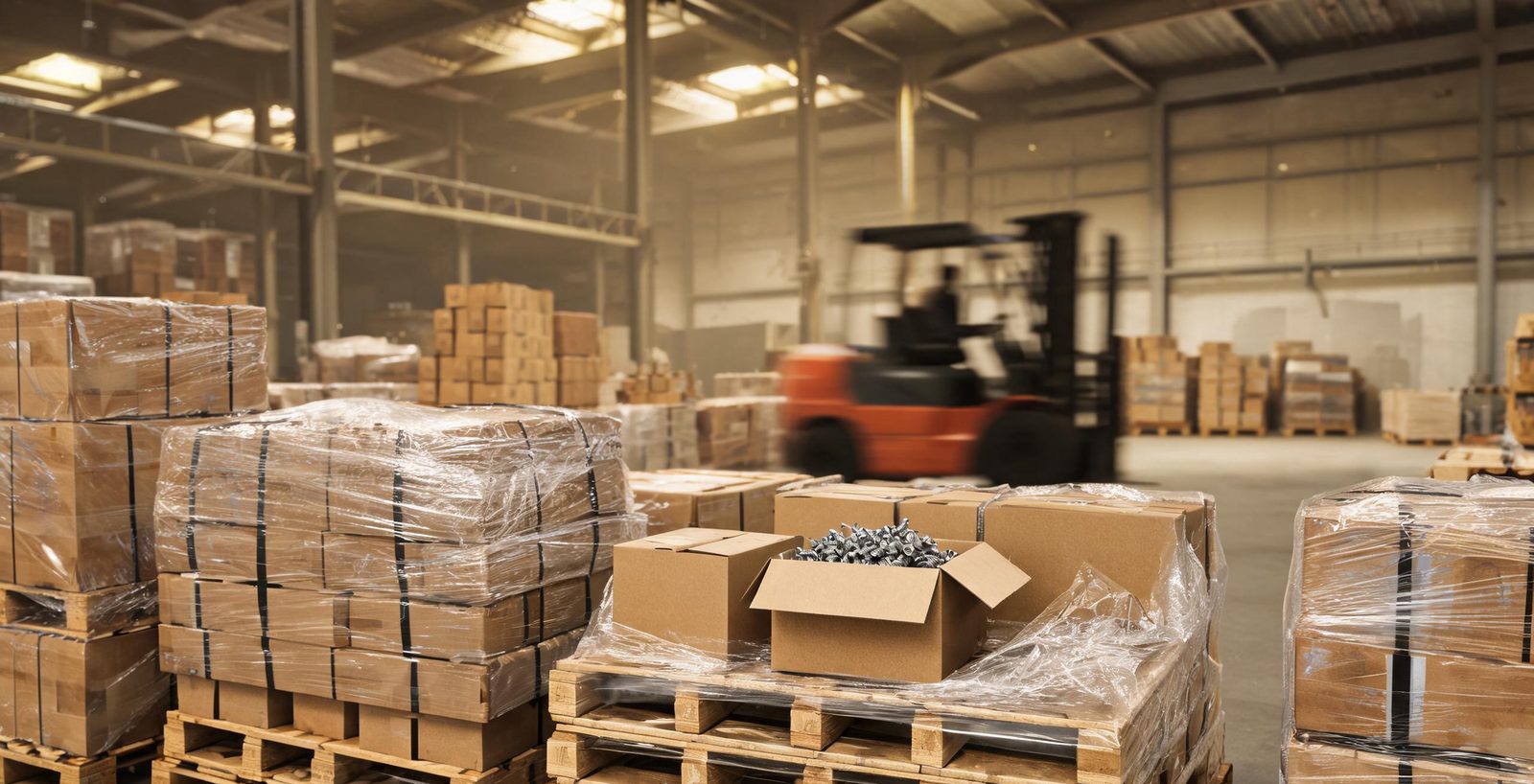
Cartons are then stacked on pallets, most commonly 1100 x 1100 mm or 1200 x 1000 mm. A standard export pallet takes around 24 to 48 cartons depending on carton size, giving a net weight of roughly 600 to 1000 kg. Pallets are wrapped, strapped, and often corner-protected. If the customer does not want pallets - usually to save volume - goods can be floor loaded, but that adds labour at destination and increases the chance of damage.
Container capacity matters for cost planning. A 20-foot container holds about 28 cubic metres and around 26 to 28 tonnes of cargo depending on road limits at destination. A 40-foot high cube holds about 68 cubic metres but is limited by weight to roughly 26 tonnes in most markets. Fastener cargo is heavy, so weight limits, not volume, usually decide how many tonnes fit. Very dense items can hit the road weight limit before the container is physically full.
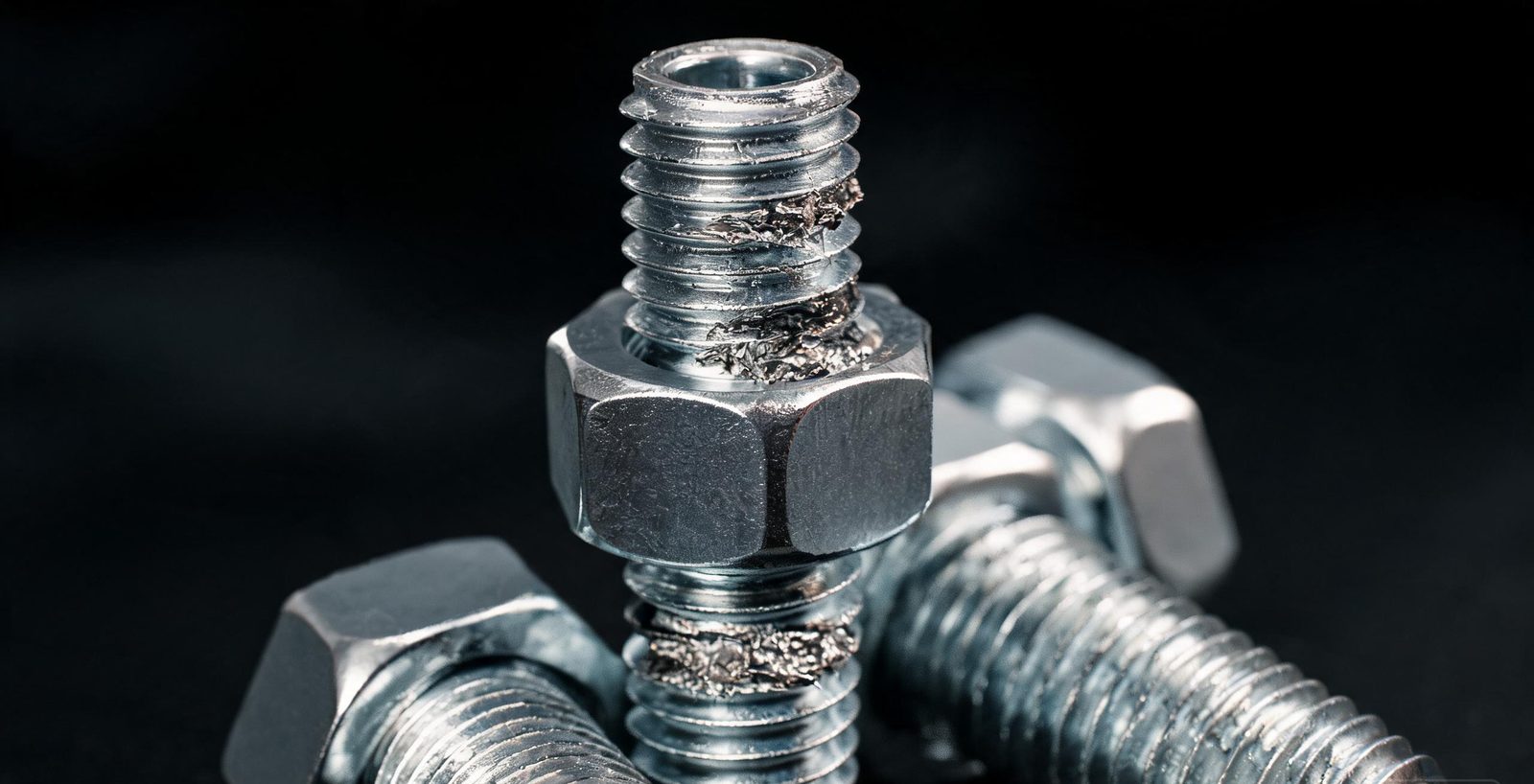
Moisture control is the quiet failure point. Steel fasteners in a sealed container cross climate zones; condensation forms inside. Desiccant bags, VCI paper or VCI film, and a moisture barrier liner are inexpensive compared with a rust claim. Plated and galvanized parts are less vulnerable than black oxide or plain finish, but even zinc plating can white-rust in a humid container if the goods are sealed wet.
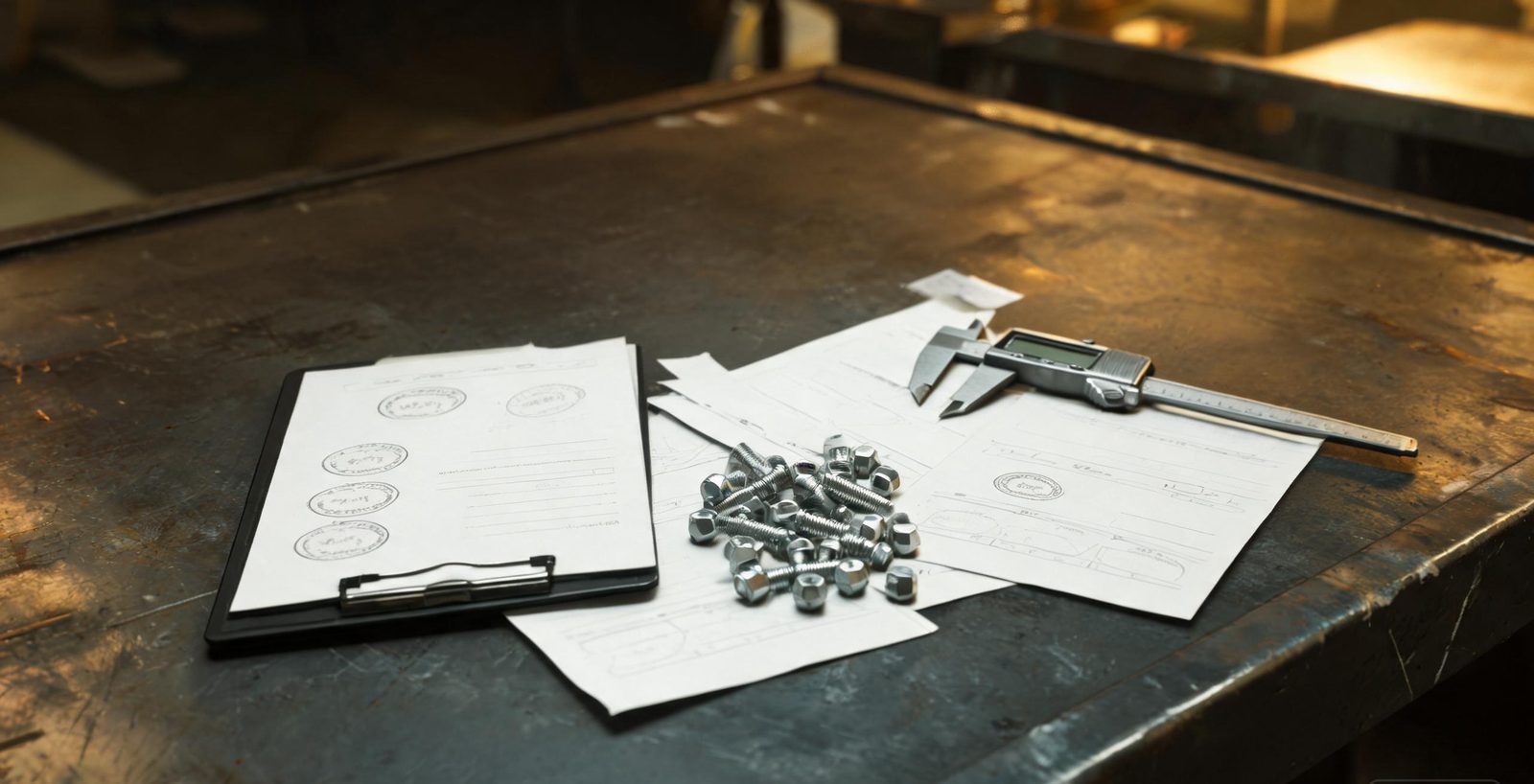
Marking protects both the goods and the customs process. Each carton normally carries the item description, size, quantity, lot number, gross and net weight, and the buyer's part number if different. Pallets carry a shipping mark with the purchase order, destination and carton count. Industrial fasteners usually fall under HS heading 7318, but exact codes vary by item and destination, so the commercial invoice must match what is actually packed.
Mixed orders are the practical challenge. A container may hold hex bolts, nuts, washers, anchors and threaded rod across dozens of sizes. Clear separation by SKU, consistent labeling, and a packing list that matches carton marks save days at the receiving warehouse. Ask for carton-level detail, not just a total weight.
Finally, request loading photos. A container stuffed with pallets and photographed at the doors, mid-load and closed is simple evidence that the goods left the factory in the condition invoiced. It costs nothing and resolves most transport disputes quickly.
Matrix Fasteners exports with 25 kg inner bags, standard export cartons, wrapped and strapped pallets, moisture protection on request, and a carton-level packing list with loading photos for every shipment. Send your destination and target quantity and we will confirm the container plan and packing weight before production.