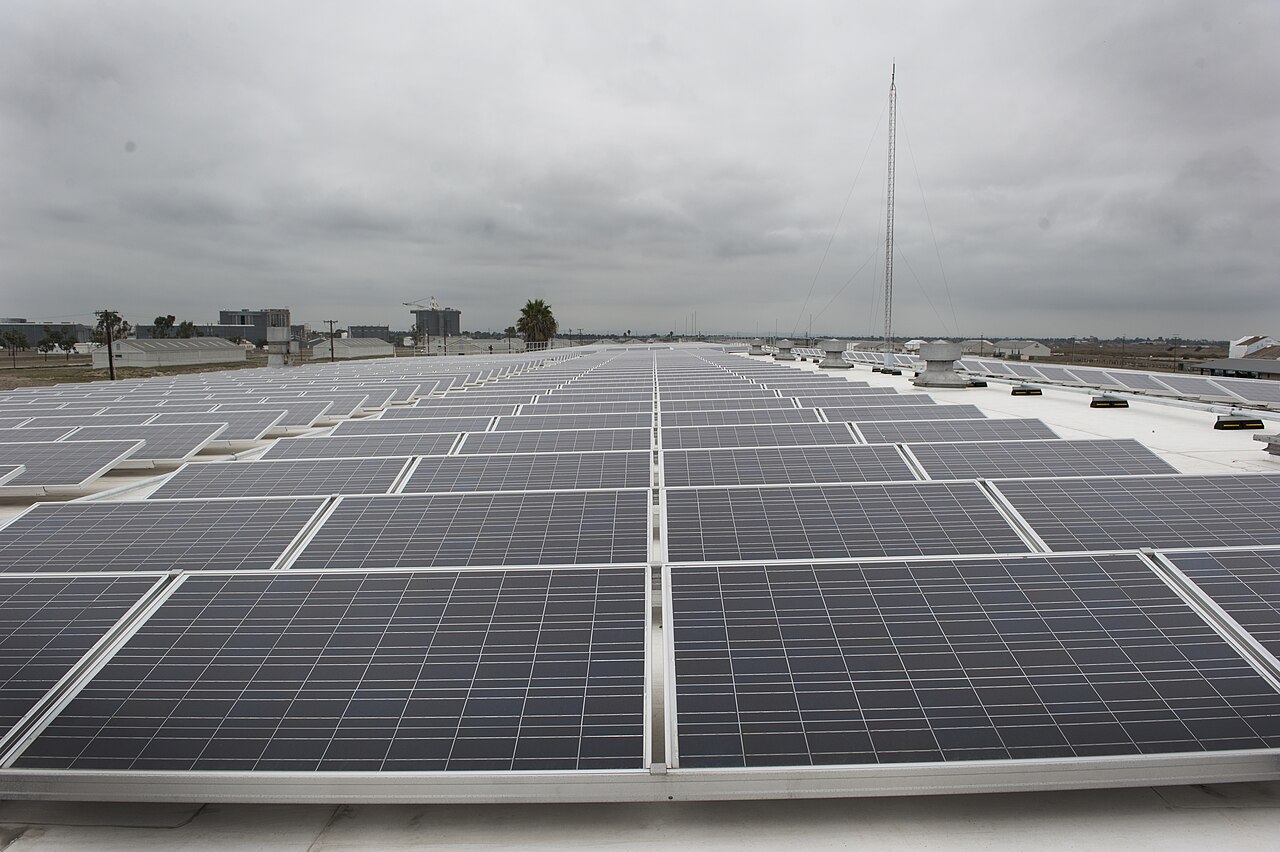
A photovoltaic array is only as durable as the parts holding it down. Over a 25-year service life, solar mounting fasteners survive constant wind cycling, temperature swings, UV exposure, and - depending on location - salt spray. Corrosion or loosening at the rail or roof interface is among the most common warranty issues in the field.
Material comes first. Most solar hardware is specified in stainless steel. Grade 304 / A2-70 bolts, screws, and clamps are standard for inland and suburban rooftop and ground-mount systems. Within roughly 10-25 kilometers of saltwater, or beside roads heavily treated with de-icing salt, best practice moves to 316 / A4 stainless. Thinly zinc-plated carbon-steel hardware can show rust within a few years and stain roof tiles - a frequent source of callbacks.
The rail-to-module interface uses mid clamps and end clamps. These anodized aluminum clamps are bolted to mounting rails with carriage or T-head bolts that slide inside the rail slot; the bolt head must match the rail profile exactly, since clamping force depends on the head seating flat against the slot. Sourcing clamps and bolts as matched kits avoids installation-day mismatches.
Roof type determines the attachment family. On pitched tile roofs, stainless steel double-thread hanger bolts are screwed into rafters and carry the rail bracket, with flashing or sealing where they penetrate the roof. On trapezoidal metal-sheet roofs, self-drilling hanger screws with EPDM sealing washers fix directly to purlins, while standing-seam roofs use seam clamps that avoid penetration entirely. Flat commercial roofs use ballasted systems or anchors fixed into concrete.
Ground-mount systems and solar carports are heavier engineering: hot-dip galvanized steel posts and purlins are joined with structural hex bolts class 8.8 (DIN 931 partial thread is common), flange nuts, and large flat washers; posts are set on driven piles, screw piles, or concrete foundations with wedge or chemical anchors. Stainless bolts against galvanized steel are a standard, stable pairing; carbon-steel bolts are the corrosion weak point in these systems.
Three specification details matter beyond material. Correct length: exposed thread beyond the nut should run two to three pitch lengths, with washers distributing load on aluminum rails. Correct torque: aluminum rails deform silently when over-tightened, so installers should follow racking-manufacturer torque values rather than impact guns. Correct sealing: EPDM-bonded washers on roof screws, properly compressed, not squashed flat.
Buyers building programs for distributors should also think about logistics. Pre-bagged roof-attachment kits - hanger bolts, sealing plates, flange nuts, and timber screws per attachment point - cut rooftop labor dramatically and reduce missing-parts claims. Traceability matters too: wind-load certifications and material certificates are increasingly requested by engineering firms and insurers.
Matrix Fasten supplies solar fastener programs for mounting-system manufacturers, distributors, and EPC buyers: A2 and A4 hanger bolts, T-head and hex flange bolts, self-drilling roofing screws with EPDM washers, mid and end clamp hardware, wedge and chemical anchors, and hot-dip galvanized ground-mount bolts. Custom lengths, private-label kit packing, and batch material certificates are available.
Planning a solar project or stocking a fastener program? Send the rail profile, roof type, and environmental class - our team will confirm the material grade and assemble a matched hardware list before the container ships.