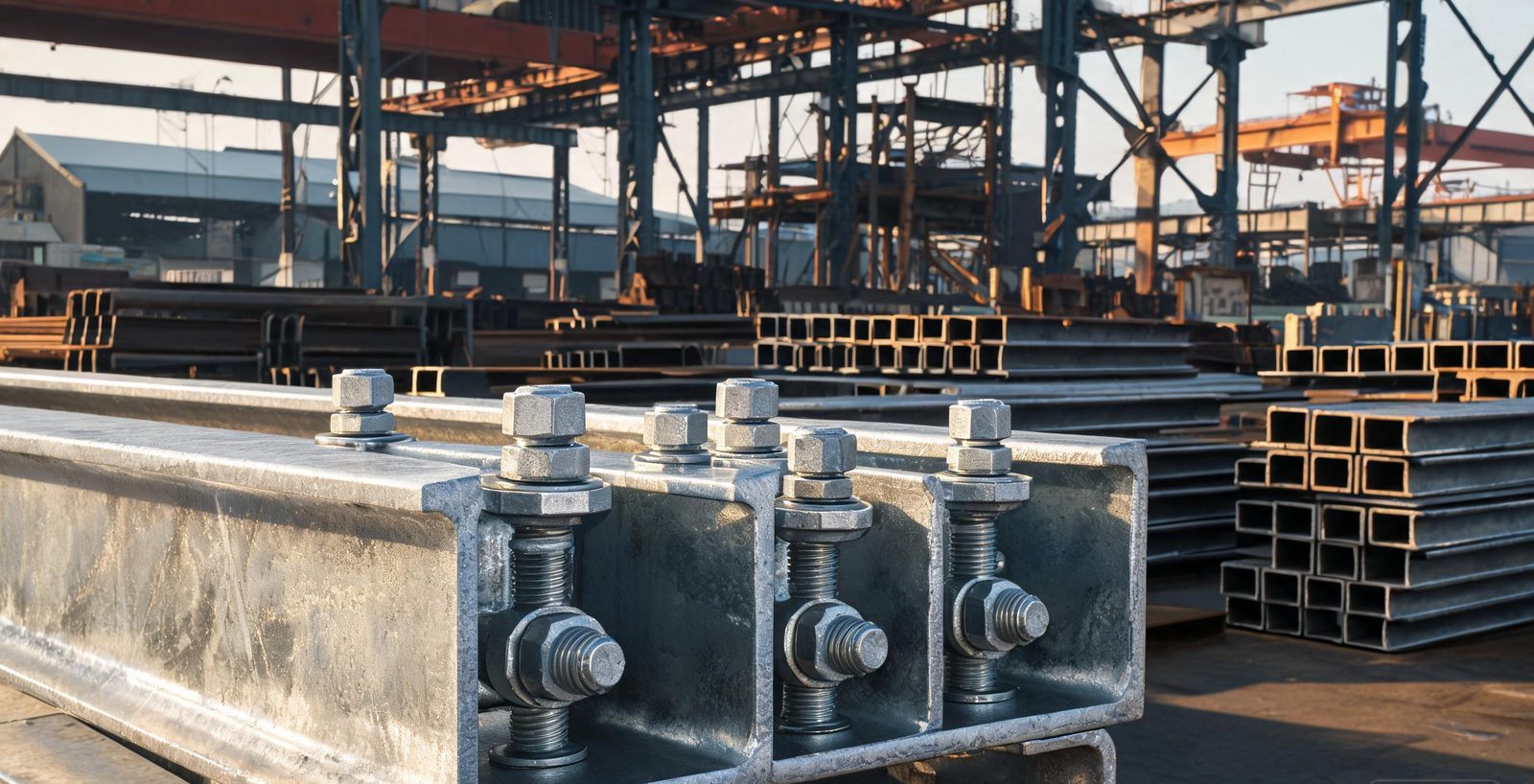
Structural bolting has its own rules. A bolt on a steel frame is not specified the way a machine bolt is, because the joint is designed around preload, the installation method is controlled, and the inspections are formal. Understanding three designations - ASTM A325, ASTM A490 and JIS F10T - covers most international steelwork.
ASTM A325 is the classic high-strength structural bolt in carbon steel, quenched and tempered, with minimum tensile strength around 825 MPa for common diameters. It is supplied as a heavy hex head bolt with a matching heavy hex nut and usually a hardened washer. A325 has been reorganised under ASTM F3125, which now groups several structural bolt grades under one standard - a quotation that cites F3125 Grade A325 refers to the same product family.
ASTM A490 is the higher-strength alloy version, roughly 1040 MPa minimum tensile, used where the design needs more capacity in the same bolt size. Because of its hardness, A490 is more sensitive to hydrogen embrittlement and to stress corrosion, so hot-dip galvanizing is generally not permitted on A490 without special approval and additional testing. If your project is both galvanized and high-strength, A325 is typically the practical answer.
JIS F10T is the Japanese structural bolt standard widely used across Asia and the Middle East. It is comparable in strength to A325 and is usually supplied with a control of tightening method that suits local codes. F8T is the lower grade, and F10T9T designations appear in mixed specifications. As with all structural grades, the nut class and washer hardness must match the bolt requirement.
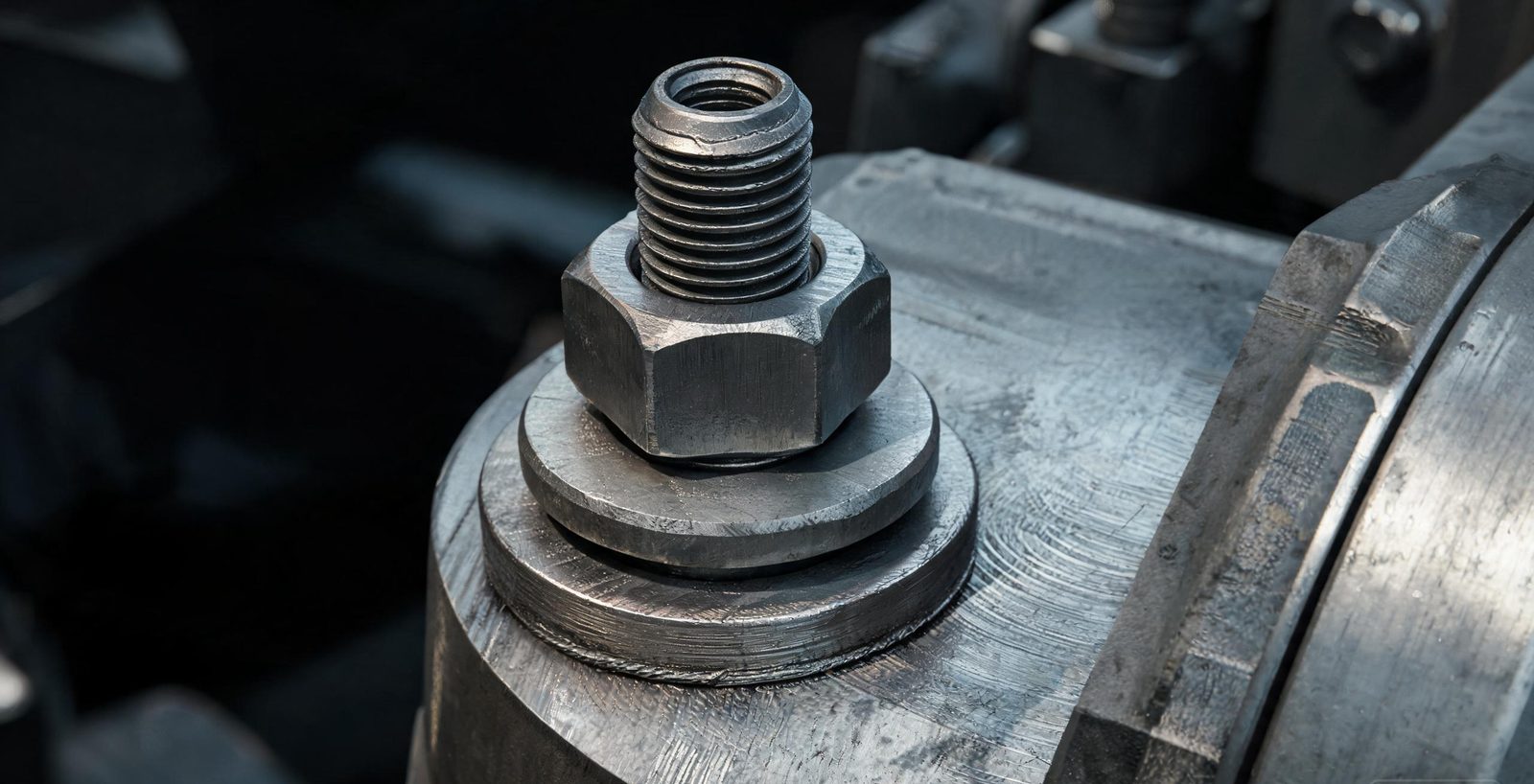
Installation is where structural bolts differ most from ordinary fasteners. Three methods dominate. Torque control with a calibrated wrench is used in some codes but is the least accurate. Turn-of-nut applies a specified rotation after snug tightening and is widely accepted. Tension control uses TC bolts with a splined end and a shear wrench, or direct tension indicators such as DTI washers that compress and show gap closure. Calibrated wrench and turn-of-nut are the most common in general steelwork, while TC bolts dominate in repetitive fabrication.
Slip-critical joints add another layer. Where the connection must not slip under service load, the bolts are preloaded to a higher level and the faying surfaces must be prepared and qualified, often with a specified slip coefficient. Paint, galvanizing and blast condition all affect that coefficient, and inspectors check surface preparation as closely as bolt tension.
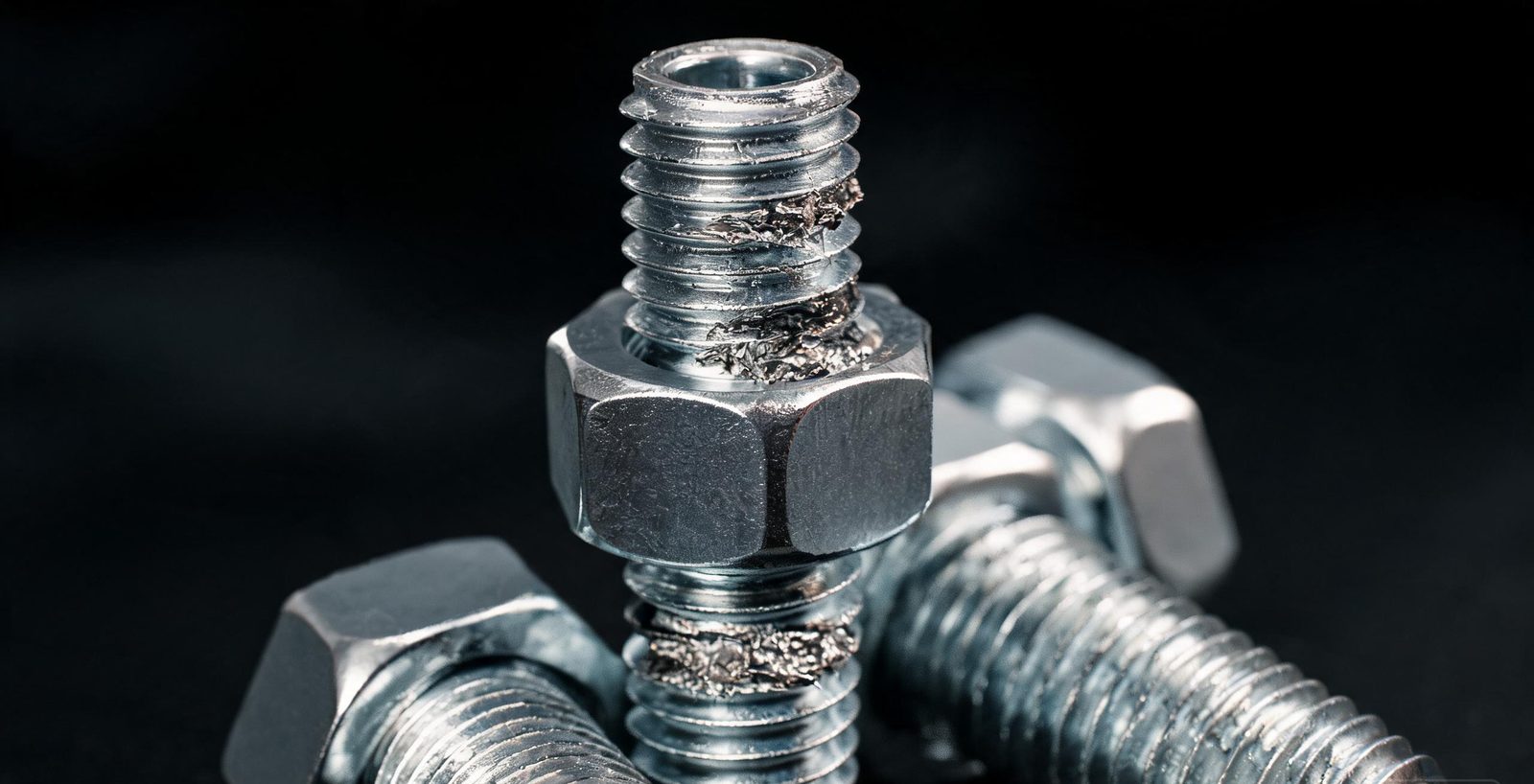
Galvanizing rules are practical, not theoretical. Hot-dip galvanizing adds thickness to threads, so nuts are often supplied over-tapped, and the assembly must be checked for thread fit after coating. Coating thickness and the resulting friction change the required rotation for turn-of-nut, which is why codes require a rotational capacity test on galvanized assemblies.
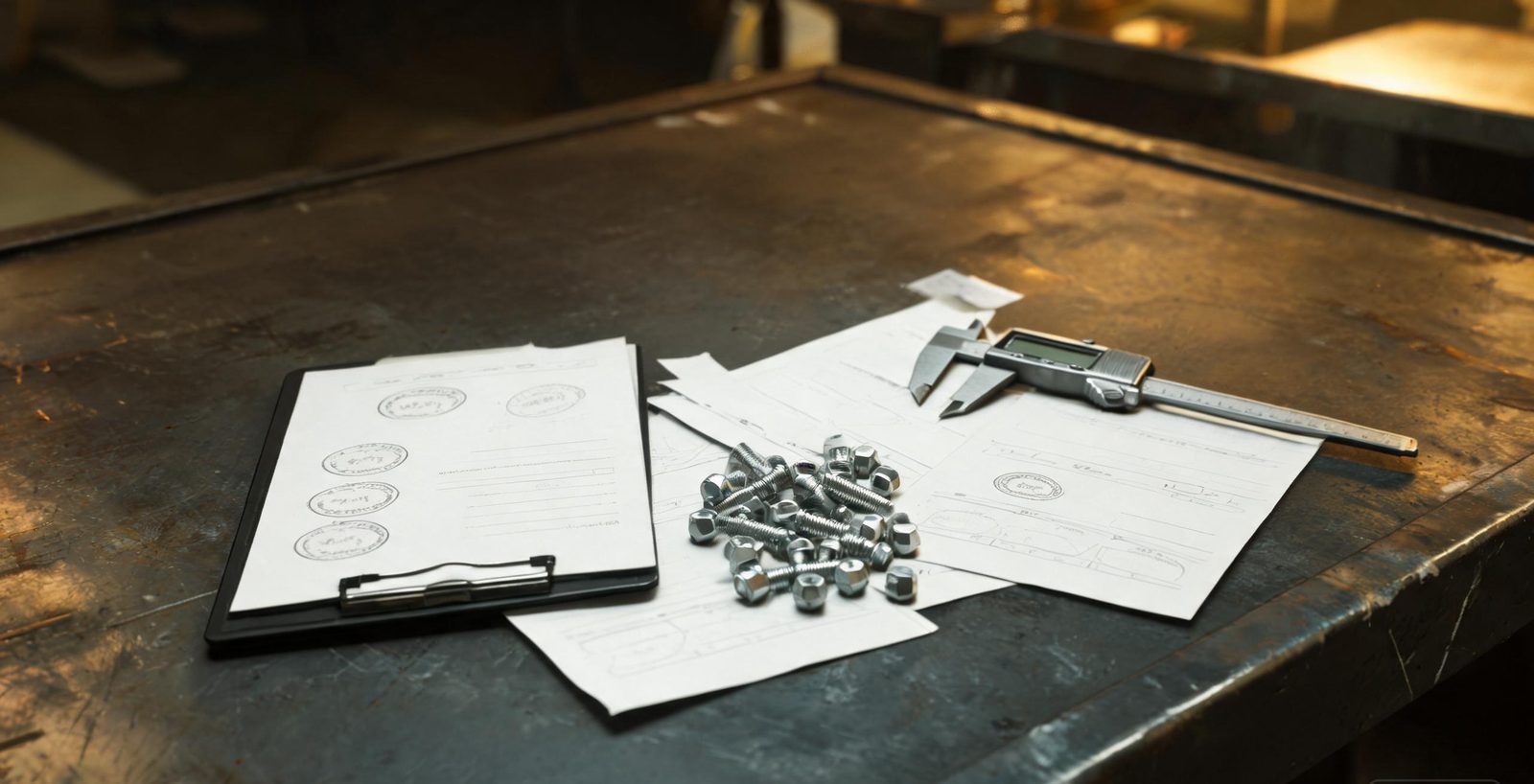
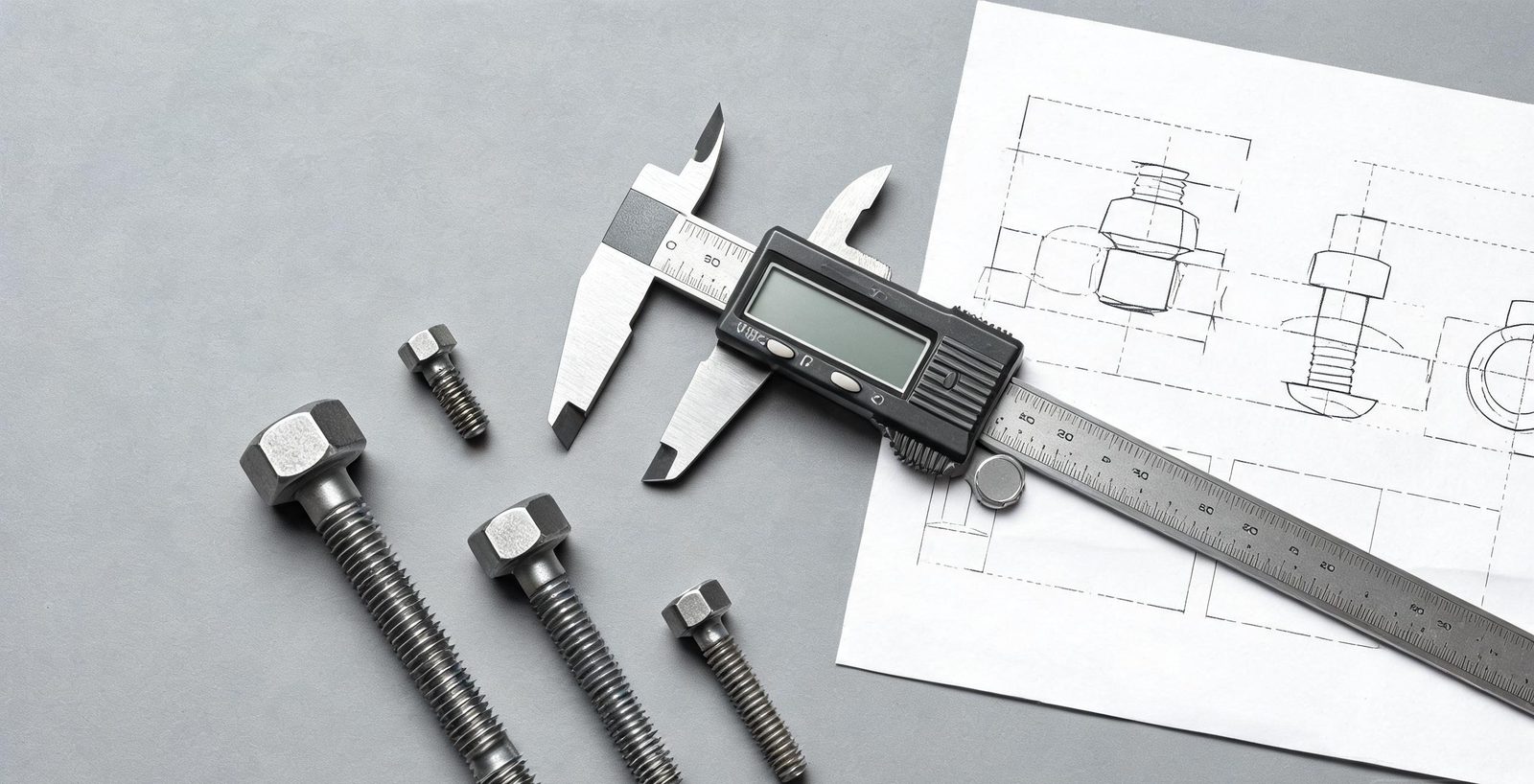
Buyers should confirm four things on a structural bolt order: the exact grade and revision of the standard, the matching nut class, whether washers are required and their hardness, and the coating with its effect on installation. A shipment of A325 bolts with standard hex nuts and no washers is dimensionally fine and structurally unusable.
Matrix Fasteners supplies heavy hex structural bolts to ASTM F3125 A325 and A490 equivalents and JIS F10T, with matching heavy hex nuts and hardened washers, plus rotational capacity and mechanical test reports for galvanized assemblies. Send your steelwork specification and we will confirm grade, coating and installation method.