Most bolt failures are not caused by a bolt that was too weak. They are caused by a bolt that was not loaded enough, loaded unevenly, or allowed to lose what preload it had. Understanding three mechanisms - preload, fatigue and vibration loosening - explains why a joint can pass a torque check and still come apart in service.
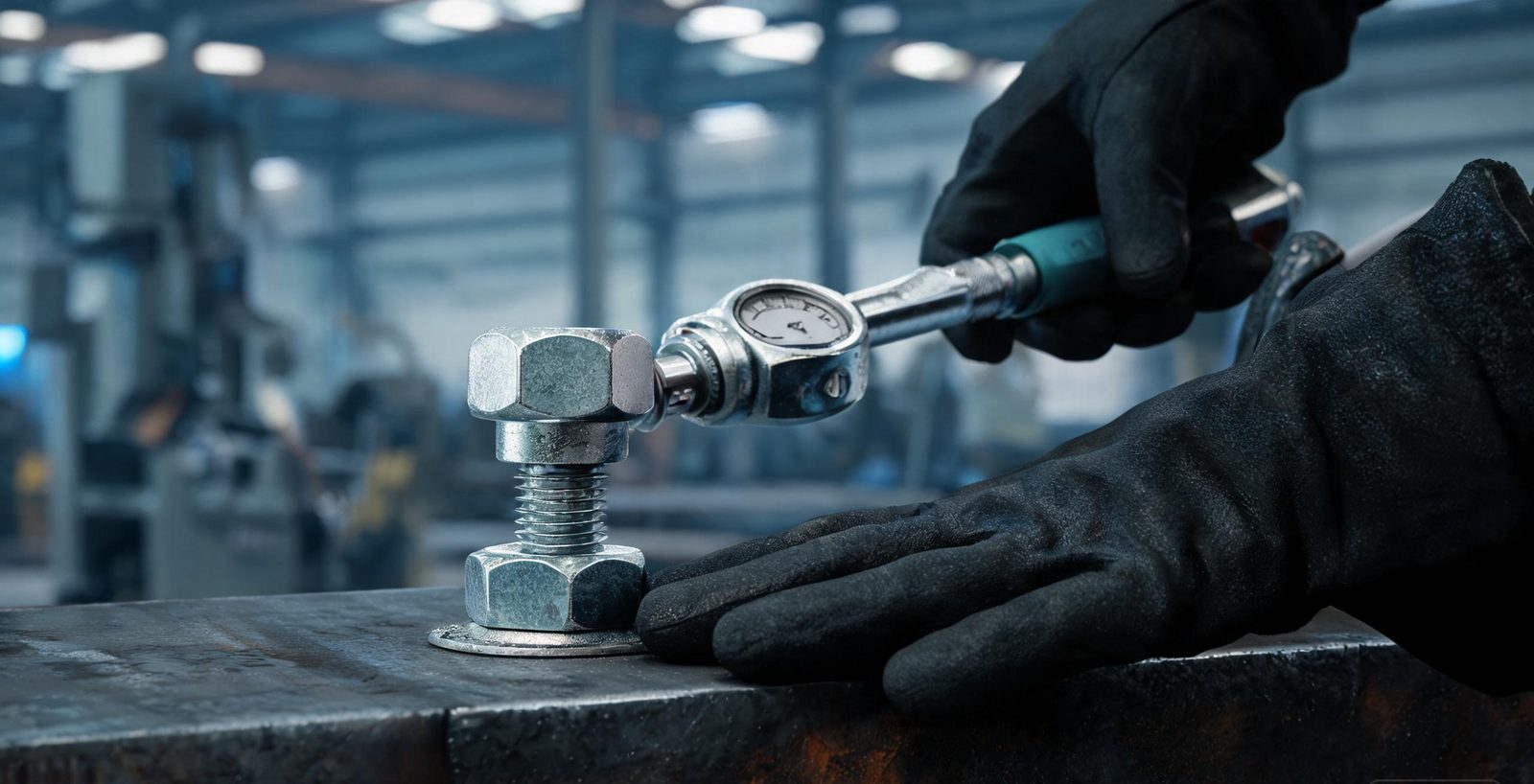
Preload is the tension the bolt carries before any external load arrives. A joint works because preload keeps the clamped parts in compression. If the preload is too low, the external load opens a gap and the bolt sees the full load directly, which it was rarely designed for. If preload is too high, the bolt or the clamped material can yield. The usual target for steel joints is 60 to 75 percent of the bolt's proof load, adjusted for the materials being clamped.
The joint stiffness ratio determines how much of an external load reaches the bolt. A stiff joint - thick steel plates - takes most of the load itself, and the bolt sees only a fraction. A soft joint - gaskets, thin plates, aluminium - passes more load to the bolt. This is why the same bolt and torque behave differently in a gearbox flange and a sheet metal enclosure.
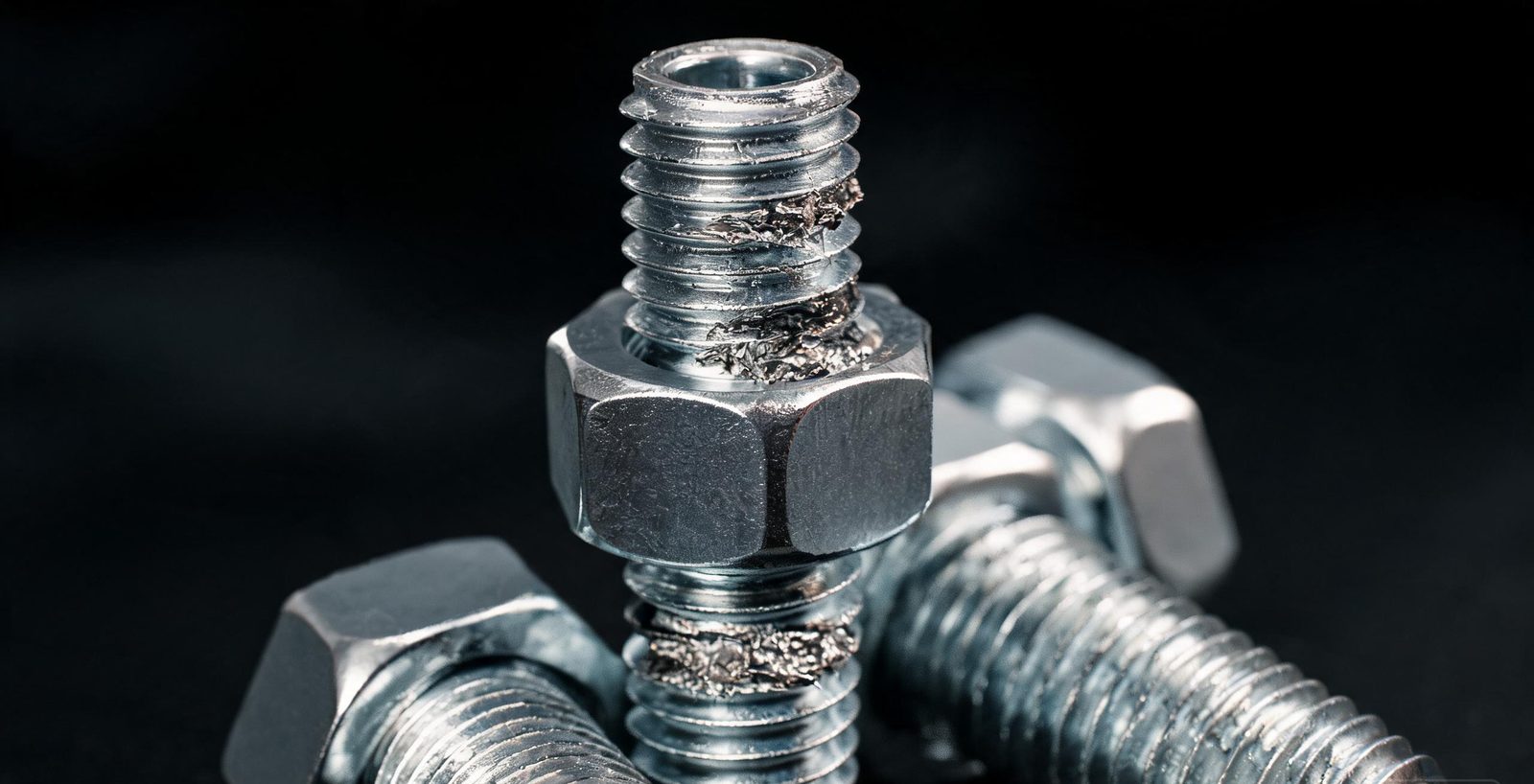
Fatigue is about cycles, not peak load. Bolts typically fail at the first thread below the head or at the thread run-out, because that is where stress concentrates. Fatigue life improves dramatically when preload is high enough that the cyclic portion of the load never fully unloads the joint. Bolts that lose preload early in service therefore fatigue far faster than the nominal stress calculation suggests.
Vibration loosening happens in stages. First, relative motion between threads reduces friction and the nut rotates slightly - a few degrees is enough. Preload drops. With lower preload, relative motion increases, and the process accelerates until the joint is loose. This is why loosening rarely looks like a gradual problem; it appears suddenly after a period of service.
Countermeasures work at different points in that sequence. High preload is the first defence. Prevailing-torque nuts with a nylon insert, or all-metal locking nuts, add friction. Mechanical locking devices such as Nord-Lock washers create a wedge action that resists rotation. Thread-locking adhesives bond the thread and eliminate relative motion entirely. Split-ring lock washers, despite their popularity, offer very little resistance in dynamic joints.
Design decisions worth revisiting early: bolt length and engagement. Fully threaded bolts concentrate stress differently from partially threaded ones, and a bolt that engages only three or four threads in a soft material will fail before its nominal strength matters. Use at least one diameter of engagement in steel and more in aluminium or cast iron.
Finally, remember that torque is an indirect method. For really critical joints, measure elongation or use a load-indicating device. When a joint matters, measure what you actually care about instead of what is convenient.
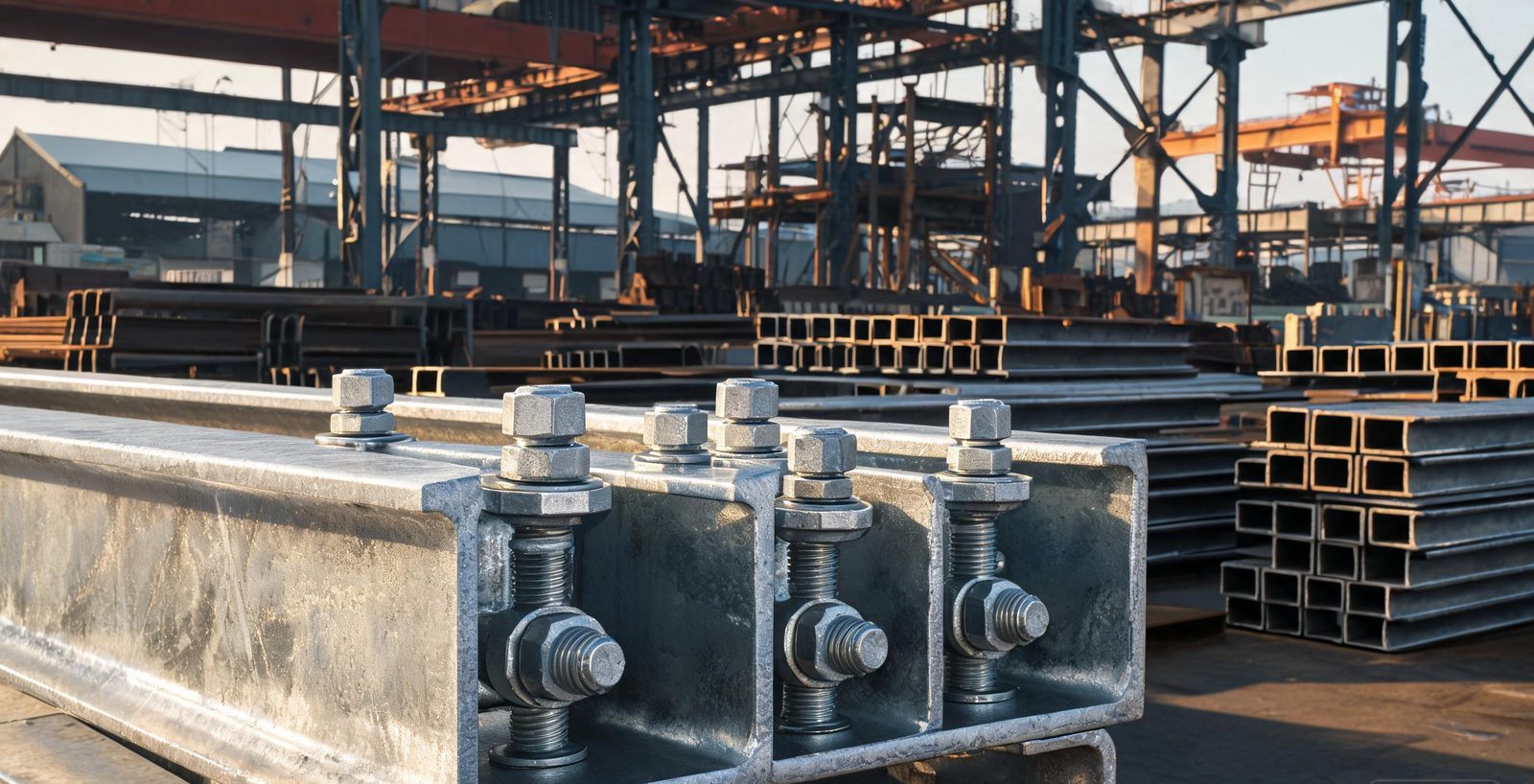
Matrix Fasteners supplies hex bolts, flange bolts and studs in classes 8.8, 10.9 and 12.9, plus prevailing-torque and all-metal lock nuts, with mechanical properties verified per lot. If a joint is failing in service, send us the assembly details and we will review the fastener specification with your design team.